Advocacy brief
3 years to take action with local communities, then hand over the reins
International regulations set the direction. On the ground, their implementation relies on local partners, engaged authorities, funding, and expertise. Our expeditions are designed to strengthen these conditions over time.
01 · Understanding
What is at stake?
In bays, harbours, and river mouths, waste accumulates where waterways, commercial activities, and daily life converge. A one-off cleanup campaign is not enough to establish sorting systems, maintain equipment, raise awareness, and process waste.
The solution must be tailored to the area and sustainable beyond our initial support. That is why each of our expeditions is backed by an agreement with local authorities.
02 · Updates
Where do we stand?
In Kota Kinabalu, Malaysia, the expedition is being carried out with Marine Research Foundation, under a memorandum of understanding signed on 09.04.2025 with City Hall (DBKK). The Mobula 8.2 was first inaugurated in Kuala Lumpur on 10.02.2025. Cleanups began in the bay in 04/2025, followed by a second inauguration in Kota Kinabalu with City Hall on 07.05.2025. The expedition is supported by the Malaysian Ministry of Environment and the State of Sabah.
In Ambon, Indonesia, our 3-year programme is governed by a memorandum of understanding with the Indonesian Ministry of Maritime Affairs and Fisheries, with quarterly reviews conducted at the national level. It is part of the national "Sebasah" initiative ("a healthy sea, free of waste"). Our partner LPMK is preparing operations, with the support of Maluku Province and the City of Ambon.
- 10.02.2025Kuala Lumpur: 1st inauguration of the Mobula 8.2Completed
- 09.04.2025Kota Kinabalu: Memorandum of Understanding with City Hall (DBKK)Completed
- 04/2025Kota Kinabalu: Cleanups begin in the bayCompleted
- 07.05.2025Kota Kinabalu: 2nd inauguration, with City HallCompleted
- 05/2026Ambon: Donation agreement for the Mobula 10 signed with the MinistryCompleted
- 02/2027Ambon: 1st cleanups with the Mobula 10Announced
03 · Our stance
What we stand for
Position of The SeaCleaners Swiss
The best solutions are those that empower local stakeholders to take lasting action: trained teams, clear responsibilities, functional waste processing channels, and actionable data for public decision-making.
Our success is measured not only by the waste we collect, but also by what endures after our departure.
Our principles
- An agreement with public authorities before every expedition.
- Local teams at the helm, trained from day one.
- Self-sufficiency planned from the very start, to hand over the reins after 3 years.
04 · In the field
Our tangible impact
For 3 years, our local partners lead operations with our support: collection, waste characterisation, recycling infrastructure development, and community outreach. From the very beginning, we pave the way for long-term ownership by establishing the skills and partnerships needed to sustain the mission independently.
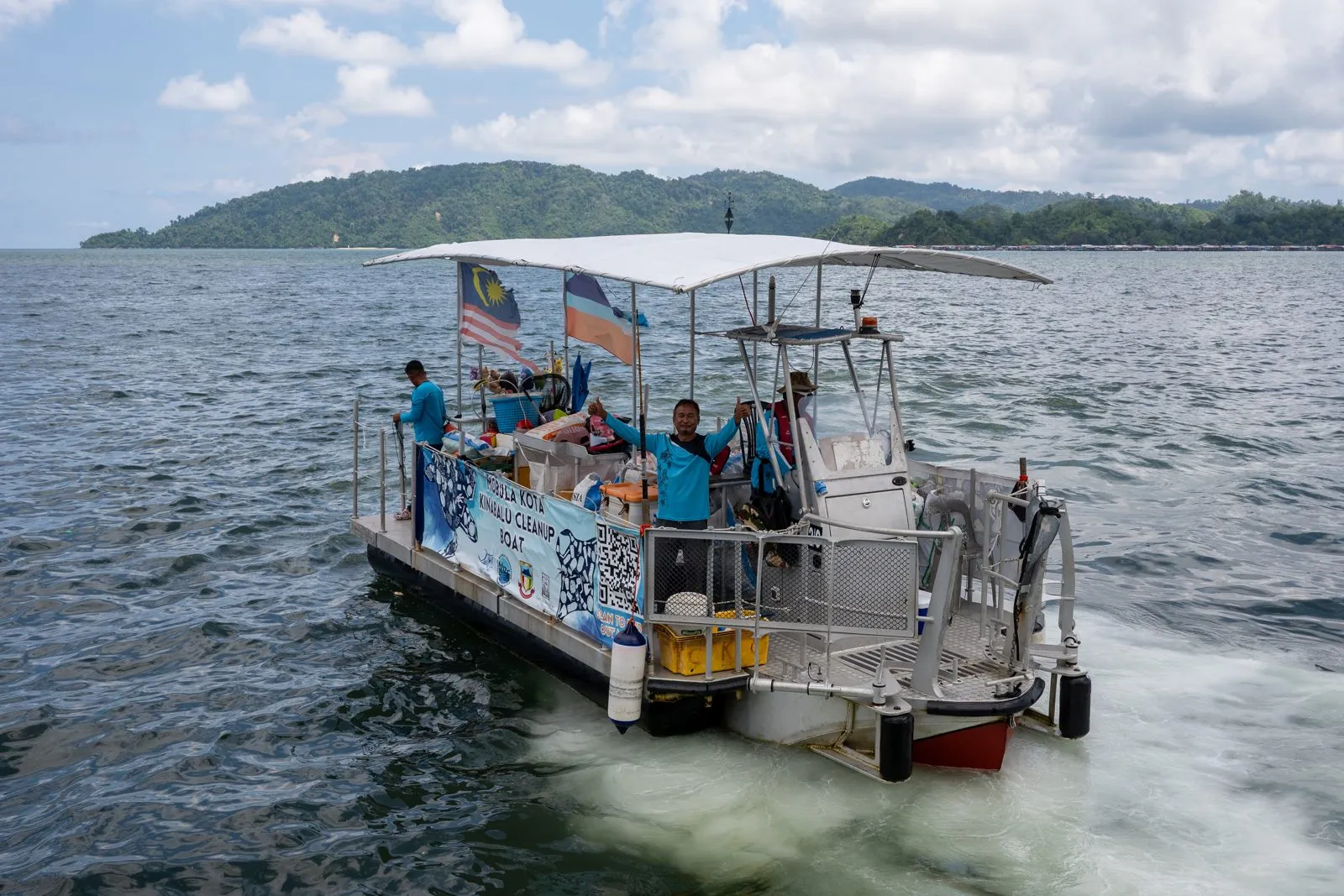 Kota Kinabalu, MalaysiaWith Marine Research Foundation and Kota Kinabalu City Hall: cleanups in the bay since 04/2025, quarterly data reports, and local recycling initiatives.Follow the expedition ›
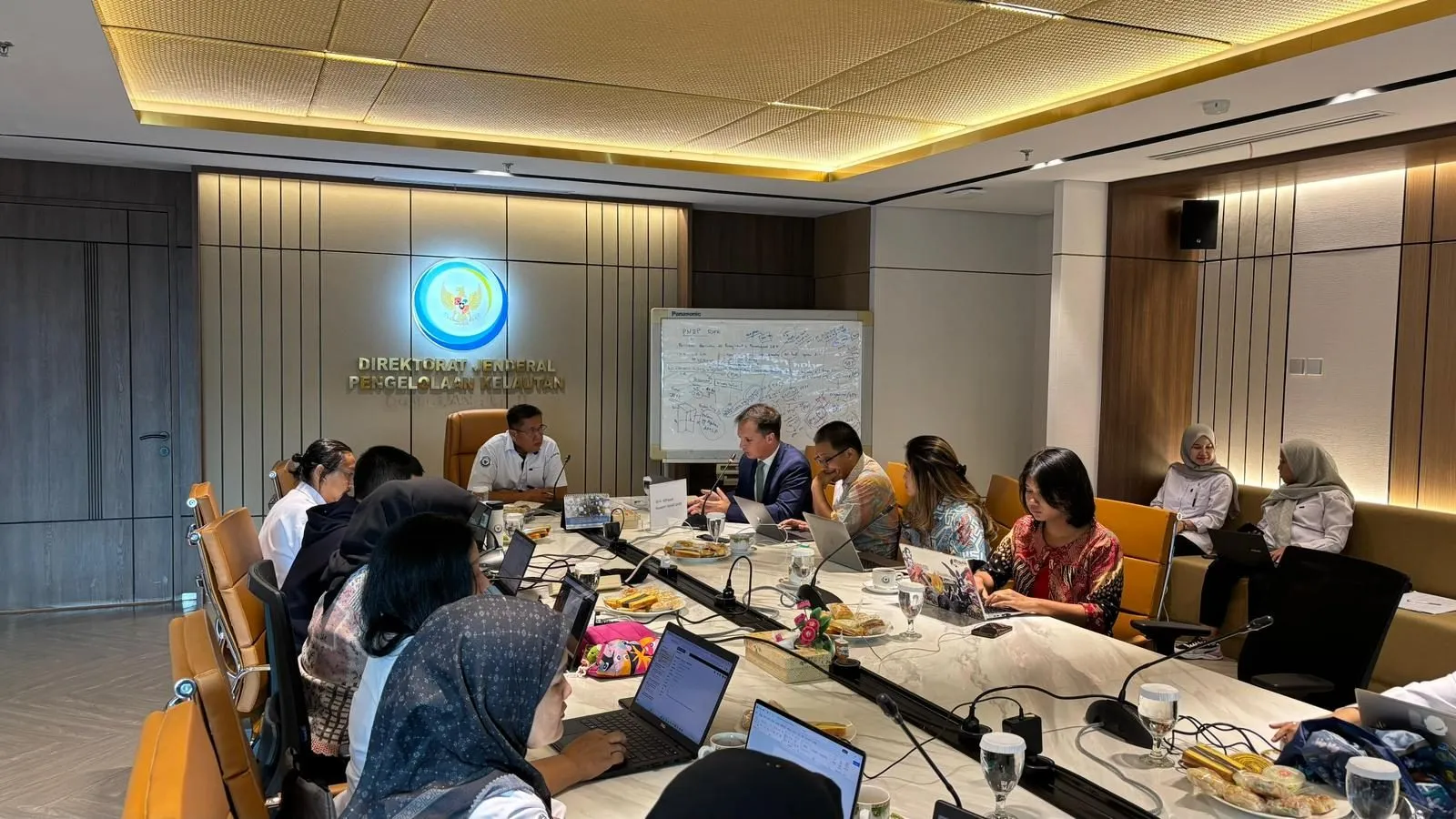 Ambon, IndonesiaWith LPMK and the Indonesian Ministry of Maritime Affairs and Fisheries: a public initiative tracked quarterly at the national level.See the milestones ›
Learn more
Frequently Asked Questions & Sources
Why 3 years?
That is the time needed to train crews, establish recycling networks, and prove the viability of the model before transferring both the vessel and the operational expertise to our partners.
Sources
- The SeaCleaners Swiss: Kota Kinabalu expedition, Malaysia
- The SeaCleaners Swiss: Ambon expedition, Indonesia
Last updated: 29.10.2026. This brief is reviewed monthly and following any official announcement.


