A strong local partner
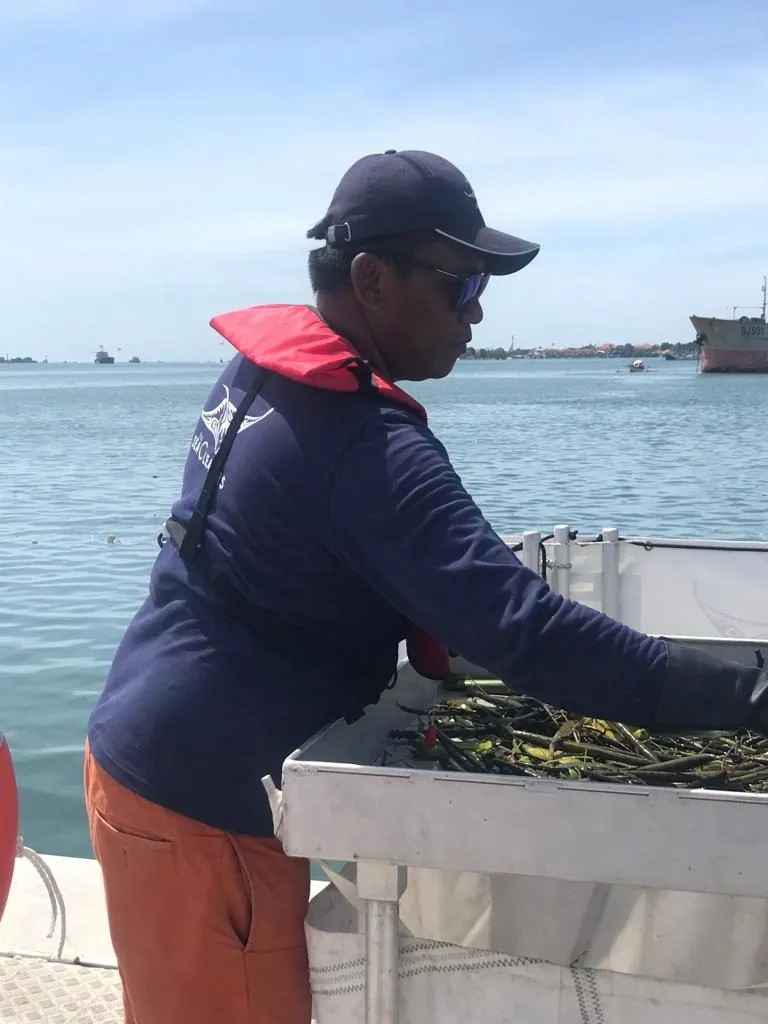
A single team with our partners on site, shared objectives, and regular monitoring from day one.
Expedition completedIndonesia, Bali
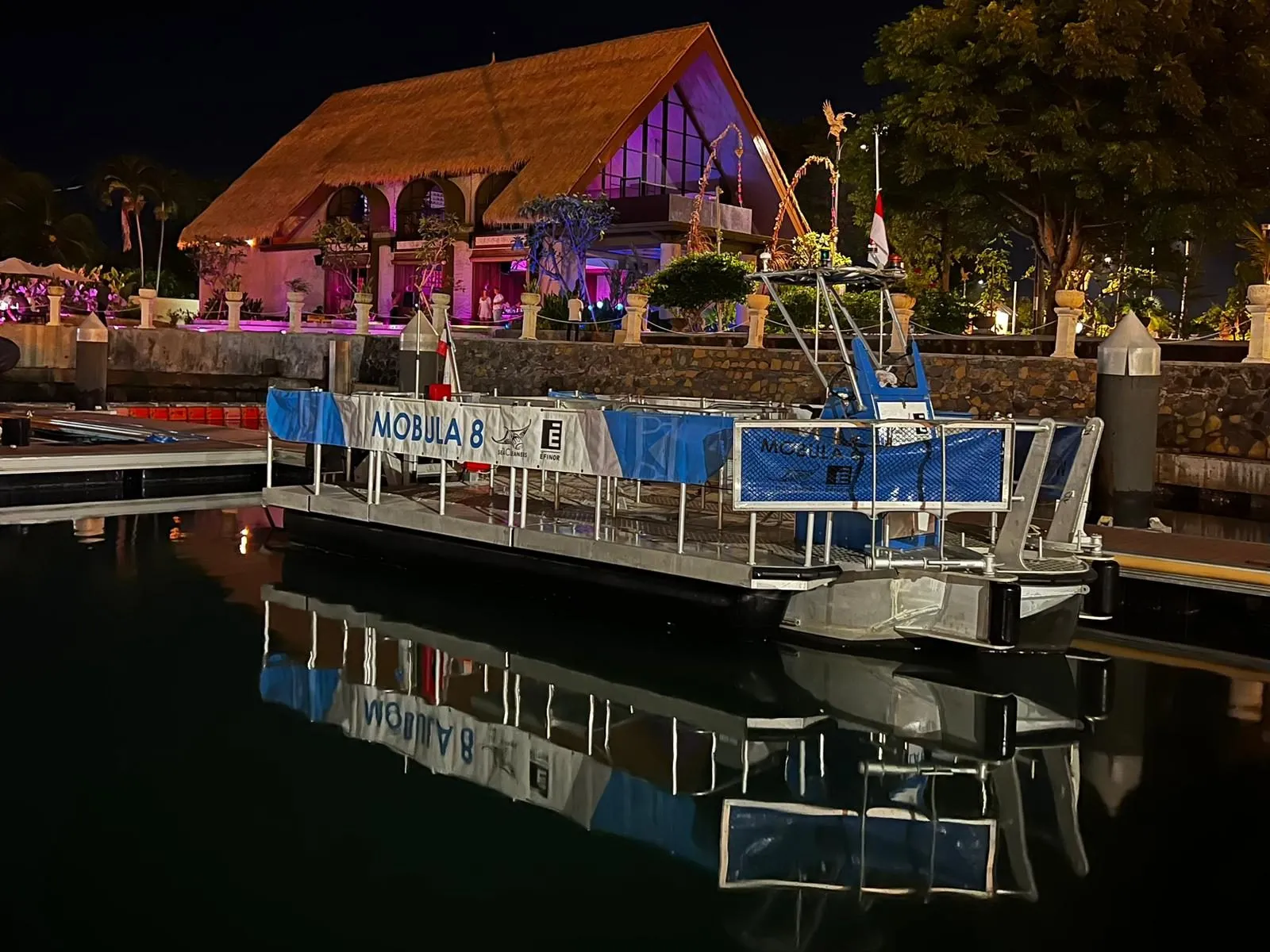
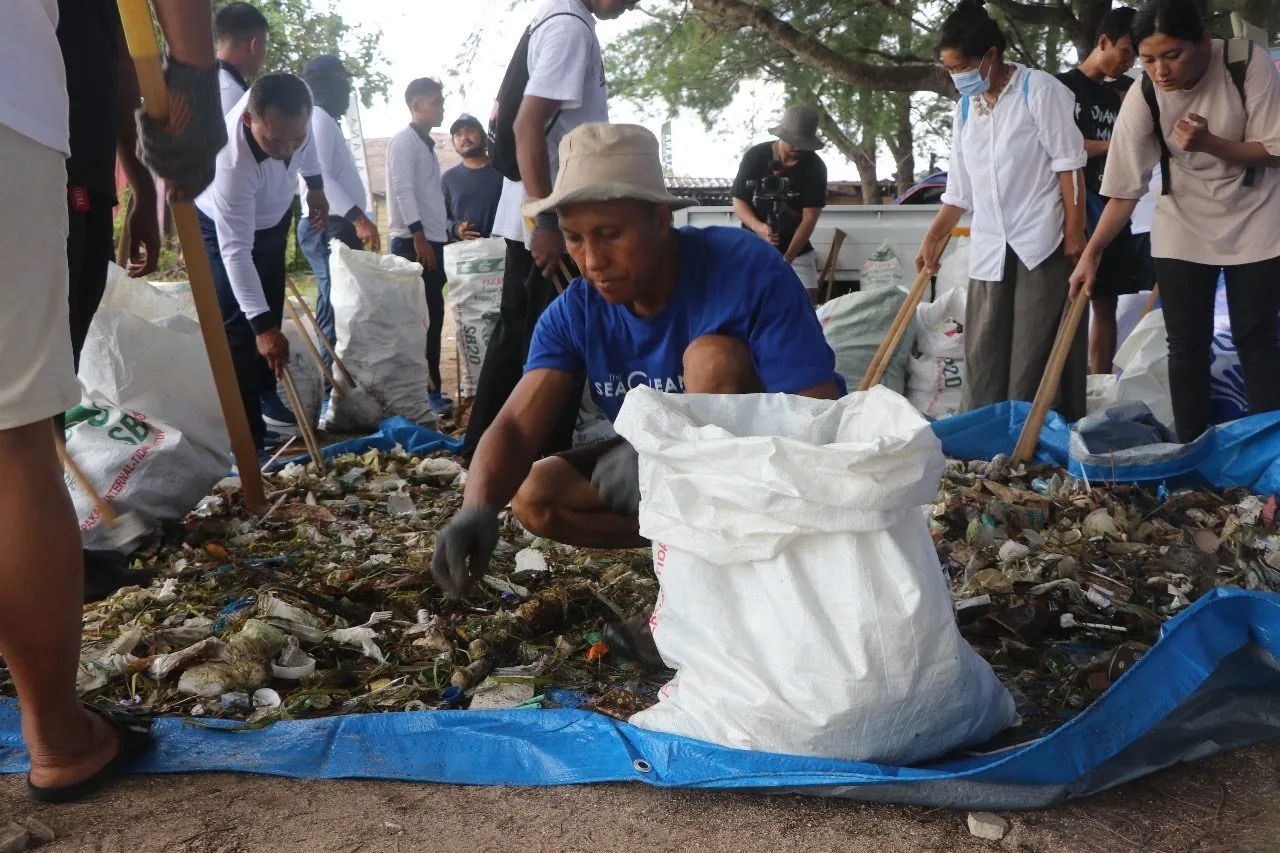
From 03/2023 to 01/2024, our first Mobula sailed through Benoa Bay: approximately 30,000 kg of waste removed throughout the expedition (including collection at sea in ports, rivers, and mangroves, as well as clean-ups). A first field mission that proved our model and laid the foundations for all our expeditions.
Duration
March 2023 to January 2024
Vessel
Mobula 8
Scientific partner
Udayana University
Area
Benoa Bay
The results
A pilot expedition, conducted with Indonesian authorities, the local community, and researchers.
30,000 kg
of waste collected throughout the expedition, including clean-ups
7
monitored sites: ports, river, canal, mangroves
3,840
items of waste analysed one by one by scientists
83%
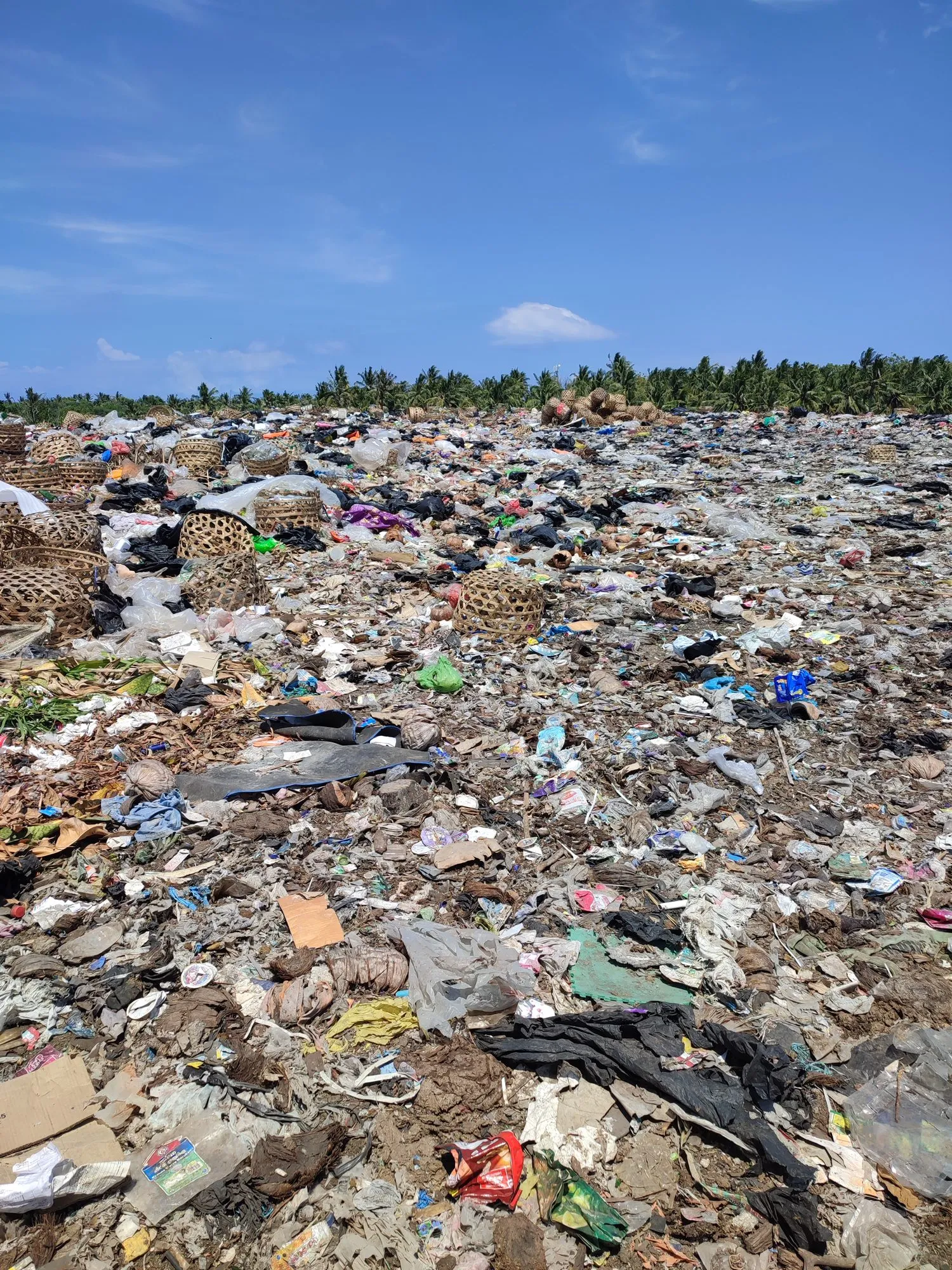
of soft plastic: sachets, packaging, bags
The findings
With 16 million visitors per year, tourism has a heavy impact: a visitor produces 3.5 times more waste per day than a resident.
The good news is that 87% of Balinese people say they are ready to sort their waste.
Source: Udayana University and The SeaCleaners study, 2024.
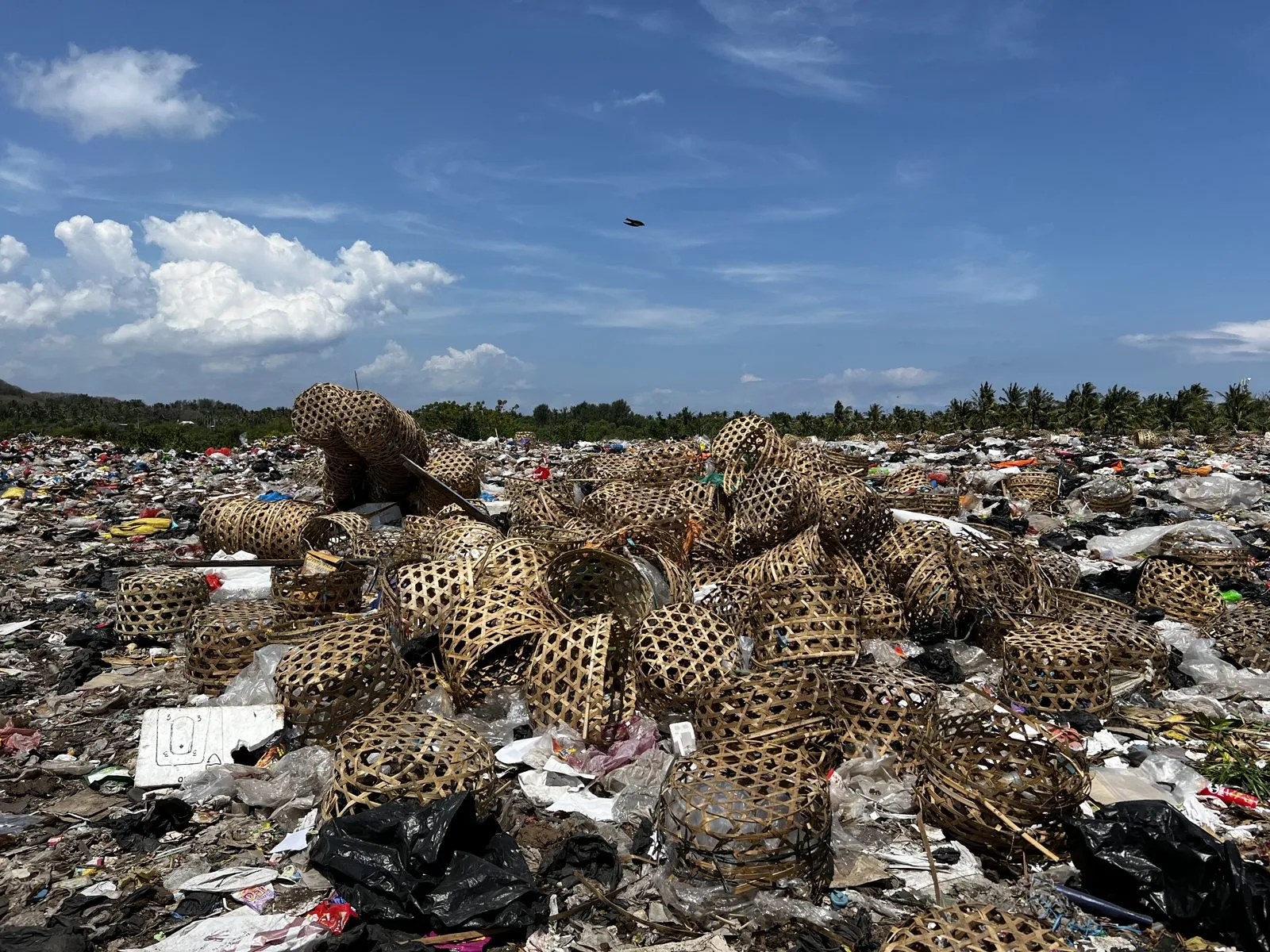
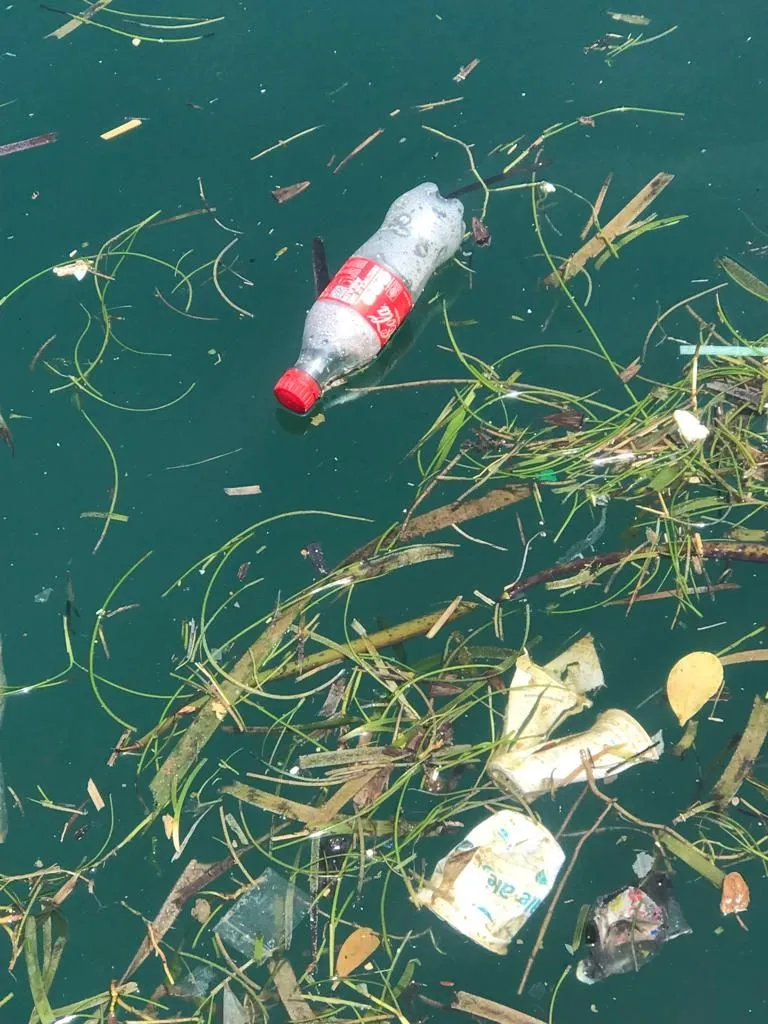
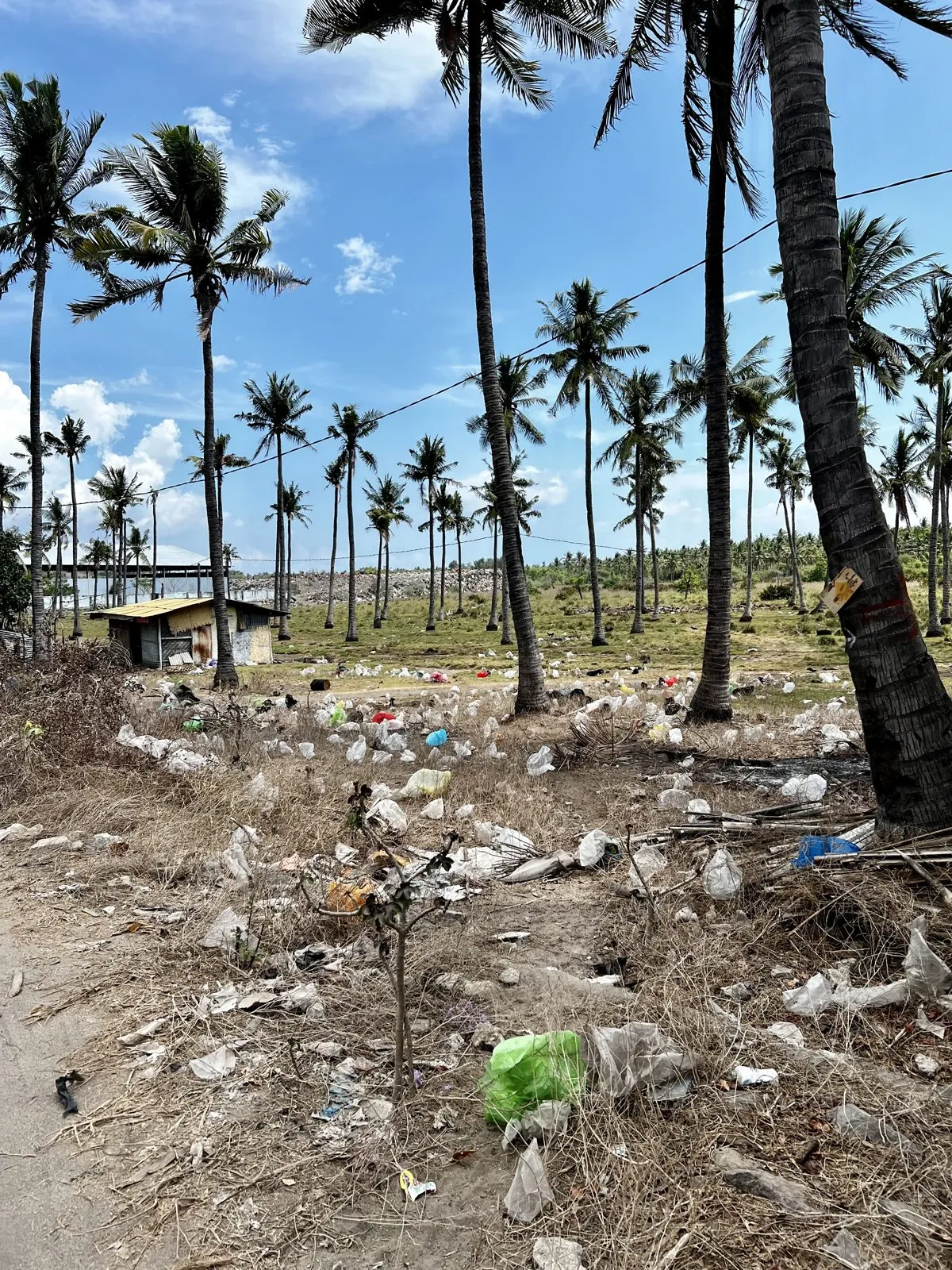
Bali, Indonesia. © The SeaCleaners
SCIENCE AND ANALYSIS
From 06/2023 to 03/2024, researchers from the CReSOS centre at Udayana University analysed waste collected by the Mobula at 7 sites. This is the first study of floating macroplastics in the bay.
Ports concentrate waste
The fishing port and the port canal come first, ahead of the river and the Serangan mangroves.
Rivers during the rainy season
In 12/2023 and 01/2024, rivers mainly brought in thin plastic bags.
Everyday packaging
Snack packaging, water bottles, instant drinks, and noodles: sachets are the most frequent form.
What we found
Share of each type of waste, out of 3,840 items analysed
86% of the waste was whole, 14% in fragments: intercepting early prevents them from turning into microplastics.
Read the full study (PDF)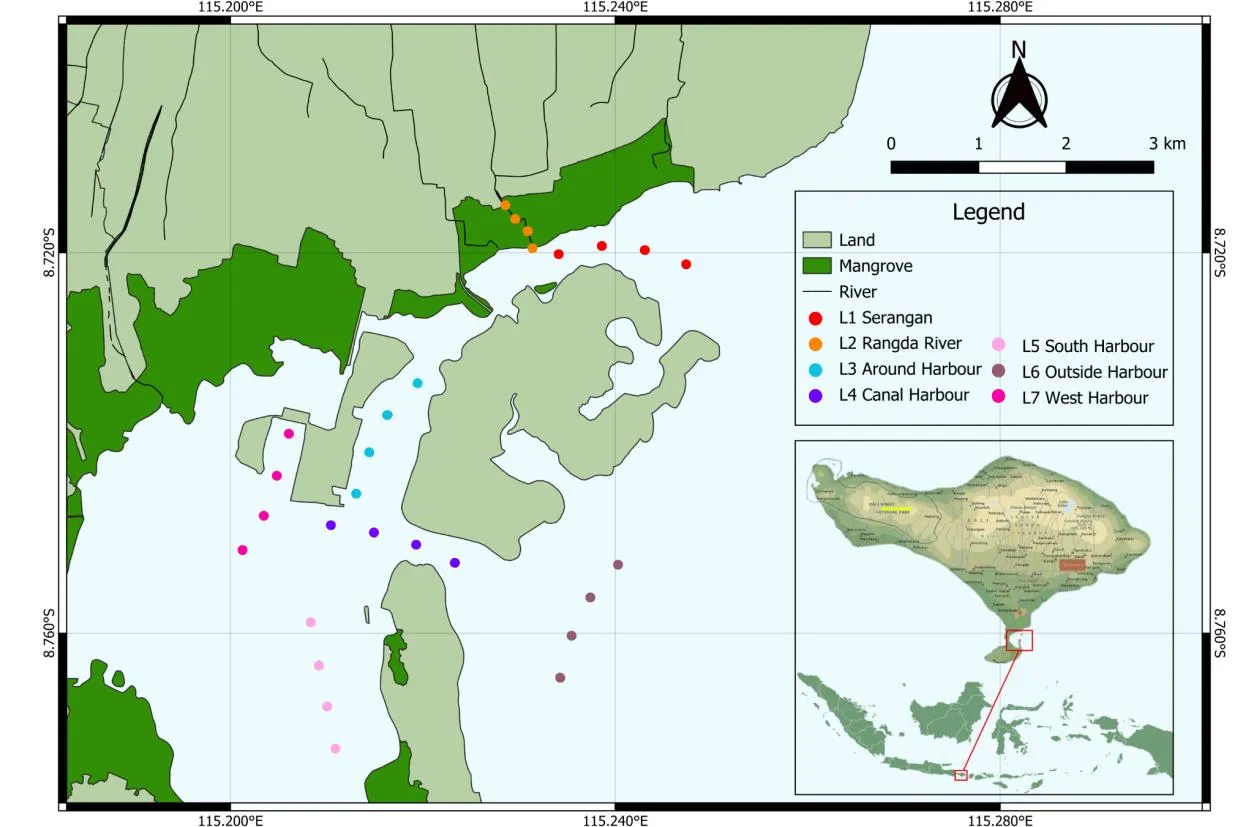
What Bali taught us
In full transparency, Bali also showed us what needed to be improved.
These lessons are now being applied in Kota Kinabalu and Ambon.
A strong local partner
A single team with our partners on site, shared objectives, and regular monitoring from day one.
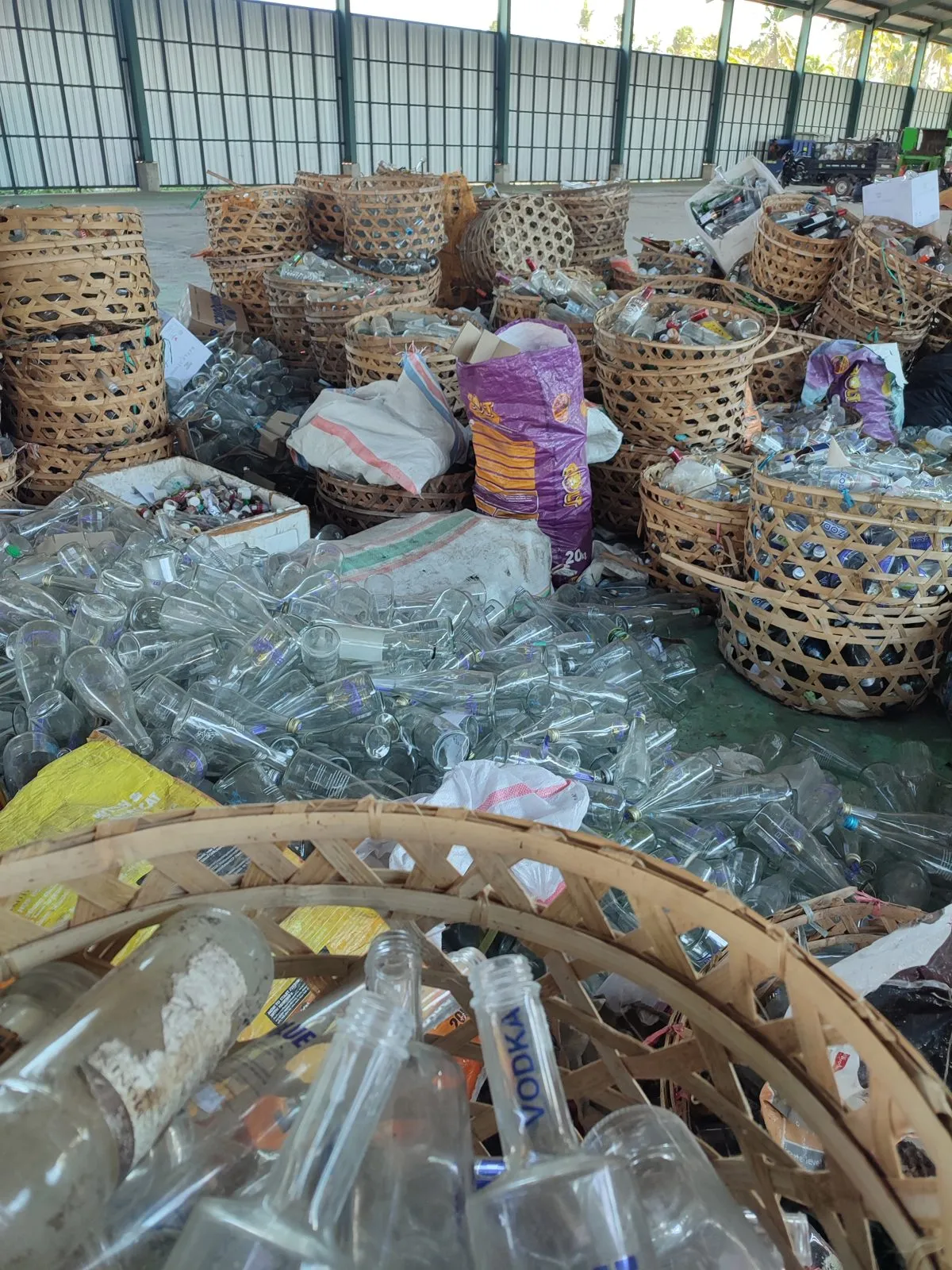
Sorting and recovering on site
Building local recycling channels from the start, so that collection doesn't end up in a landfill.
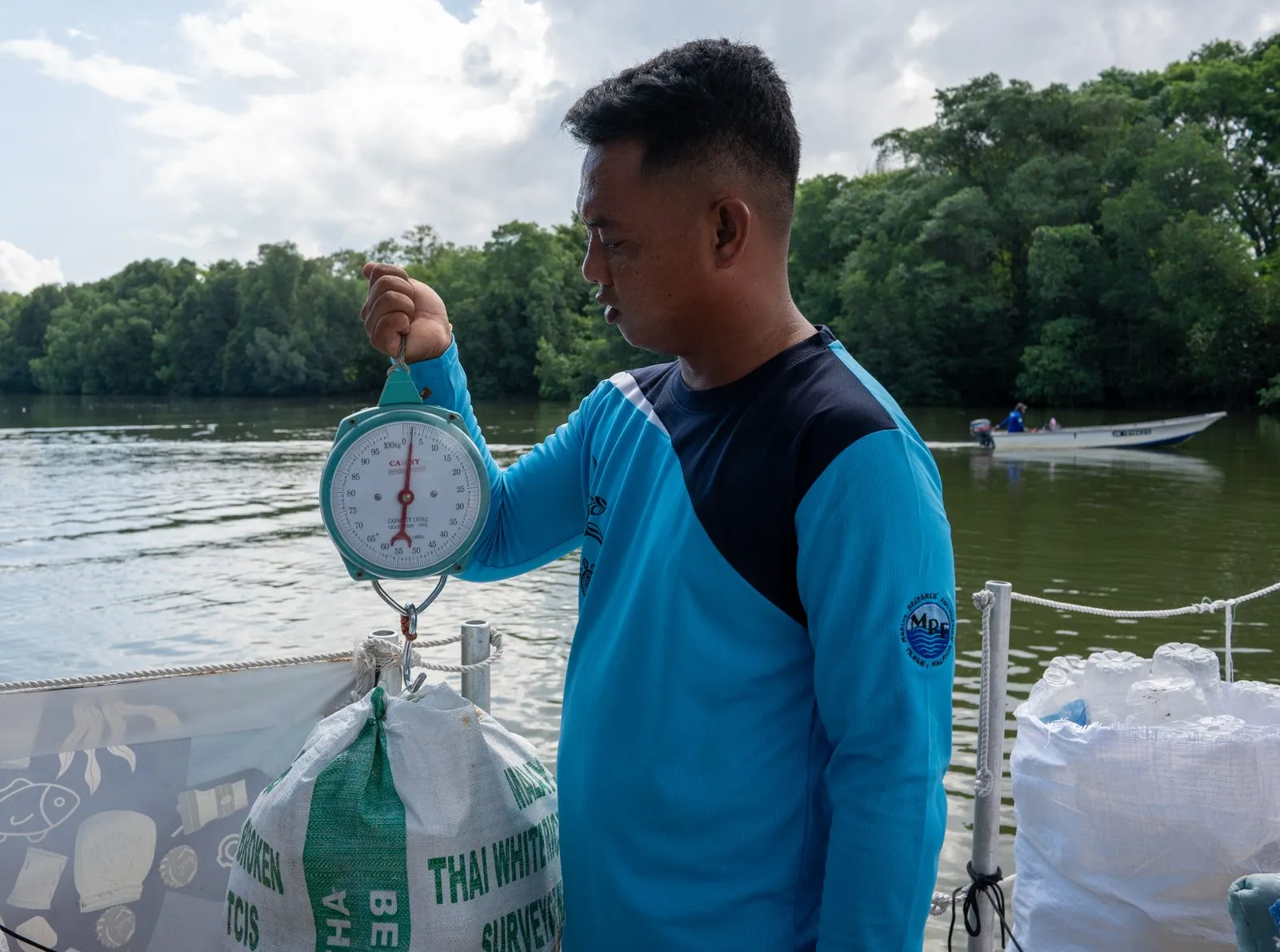
A common method
Weighing, counting, and sorting each collection in the same way to compare our sites and measure our progress.
03/2023
First collections of the Mobula 8 in Benoa Bay.
06/2023
Start of the scientific study with Udayana University.
07/2023
Record month: 861 whole items of waste analysed.
01/2024
End of the expedition, approximately 30,000 kg collected in total, including clean-ups.
2026
Return to Bali for the Bali Ocean Days.
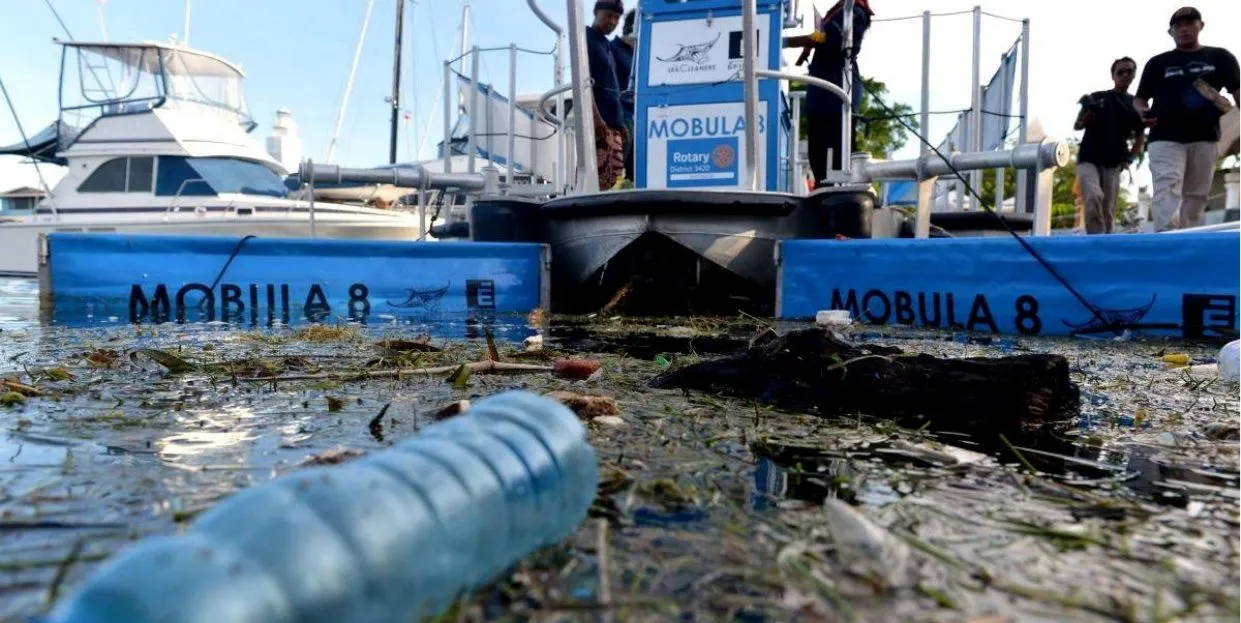 Bali, Indonesia, 2023 to 2024Bali, the pioneering expedition of the Mobula 8Collect. Understand. Transmit.
Mission report
Collection, scientific study with Udayana University, awareness raising, local partners, and lessons learned: our 13-page retrospective report traces the expedition that founded our approach.
In pictures
Support our expeditions
We only launch an expedition once it is fully funded. After Kota Kinabalu and Ambon, we are preparing the next one in the Philippines. Your donations today will make it possible.
What your donations are used for
Our accounts are audited annually by BDO and our reports are publicly accessible.
Our other expeditions
In progress
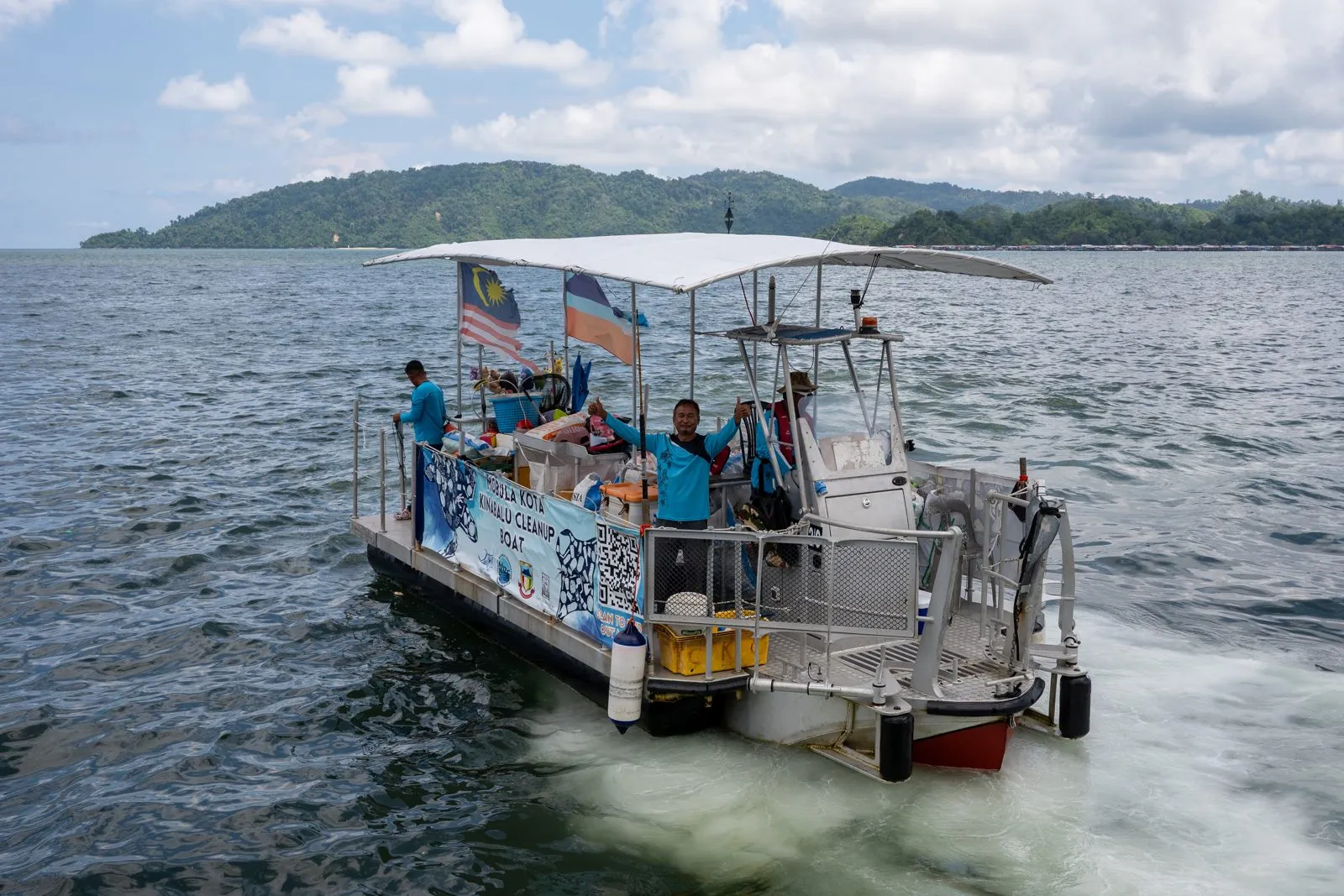
04/2025 to 04/2028, Mobula 8.2
157,934
waste items removed in the first year
With Marine Research Foundation, 7 days a week, and soon the BeBot on beaches.
Discover the expedition ›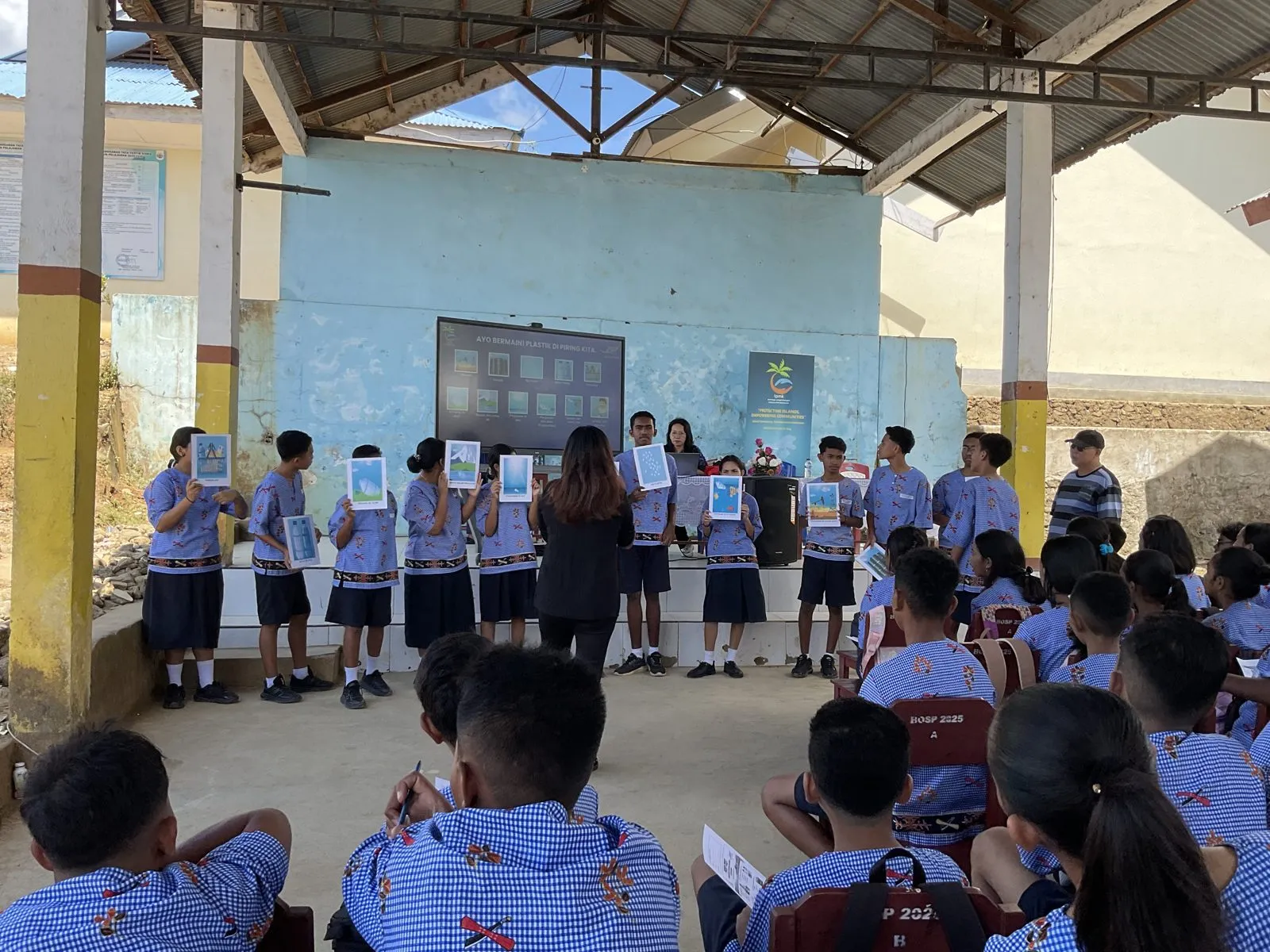
Collection starting 02/2027
Mobula 10, with LPMK
948
students already reached
A project part of the Indonesian national programme Sebasah.
Discover the expedition ›Coming soon
Our next expedition
Join us!
We are looking for a local partner, support from authorities, and patrons to launch this 3-year expedition.
Discover the expedition ›


