Advocacy briefing
Plastic waste: Where does it go after crossing borders?
A portion of plastic waste is shipped from one country to another for sorting or recycling. Regulations are evolving to better monitor these flows. The key issue: ensuring that exported waste is processed under safe and verifiable conditions.
01 · Understanding the issue
What is at stake?
Production and consumption in wealthy nations can generate waste that relies on facilities located elsewhere for treatment. A shipment is not necessarily illegal or problematic: everything depends on the nature of the waste, permits, the receiving facility, and the treatment actually performed.
Without oversight and transparency, intended recycling can turn into environmental dumping or inadequate treatment. Responsibility must therefore be shared across the entire supply chain.
4 questions to track exported waste
- Where does the waste originate, and what is its legal status?
- Is the shipment authorised by the countries of origin, transit, and destination?
- Does the receiving facility have the technical capacity to process it?
- What proof of actual processing can be provided following shipment?
02 · Tracking progress
Where do things stand?
At the global level. Since 01.01.2021, the Basel Convention's "plastic waste" amendments have subjected more plastic waste to control procedures, notably requiring prior informed consent from the receiving country. The Convention does not, however, prohibit all exports.
In the European Union. Regulation (EU) 2024/1157 bans the export of plastic waste to non-OECD countries starting on 21.11.2026, until at least 21.05.2029.
In Switzerland. This European regulation does not automatically apply to Switzerland, which has its own framework: the Ordinance on Movements of Waste and the Basel Convention, which it has ratified. Waste subject to control may only be exported with authorisation from the Federal Office for the Environment (FOEN).
- 01.01.2021Basel Convention plastic amendmentsCompleted
- 21.05.2026Implementation of the new EU regulationCompleted
- 21.11.2026EU ban on exports to non-OECD countriesAnnounced
3 levels of regulation
Basel Convention
Since 01.01.2021, most hard-to-recycle plastic waste can only be exported with the prior informed consent of the receiving country.
European Union
Beginning 21.11.2026, plastic waste exports to non-OECD countries are prohibited.
Switzerland
Controlled waste may only be exported with authorisation from the FOEN, and never to a country that is not a member of either the OECD or the European Union.
03 · Our position
What we advocate for
The SeaCleaners Swiss Position
We advocate for reducing avoidable waste, ensuring traceability of shipments, and upholding rigorous treatment standards worldwide.
International cooperation must help develop sustainable local solutions without shifting environmental costs onto regions with less infrastructure.
Our principles
- Less waste to export, through prevention.
- End-to-end traceability, from origin to final processing.
- Strengthened local capacities in waste-receiving countries.
04 · In the field
Our tangible contribution
Our expeditions, conducted alongside Marine Research Foundation in Malaysia and LPMK in Indonesia, highlight the realities of waste management in coastal communities: lack of facilities, transport costs, and fragile end-markets.
With our recycling partners, we strengthen sorting, develop local outlets, and track what happens to collected materials. This fieldwork alone is not a metric of cross-border flows, and we do not represent it as such.
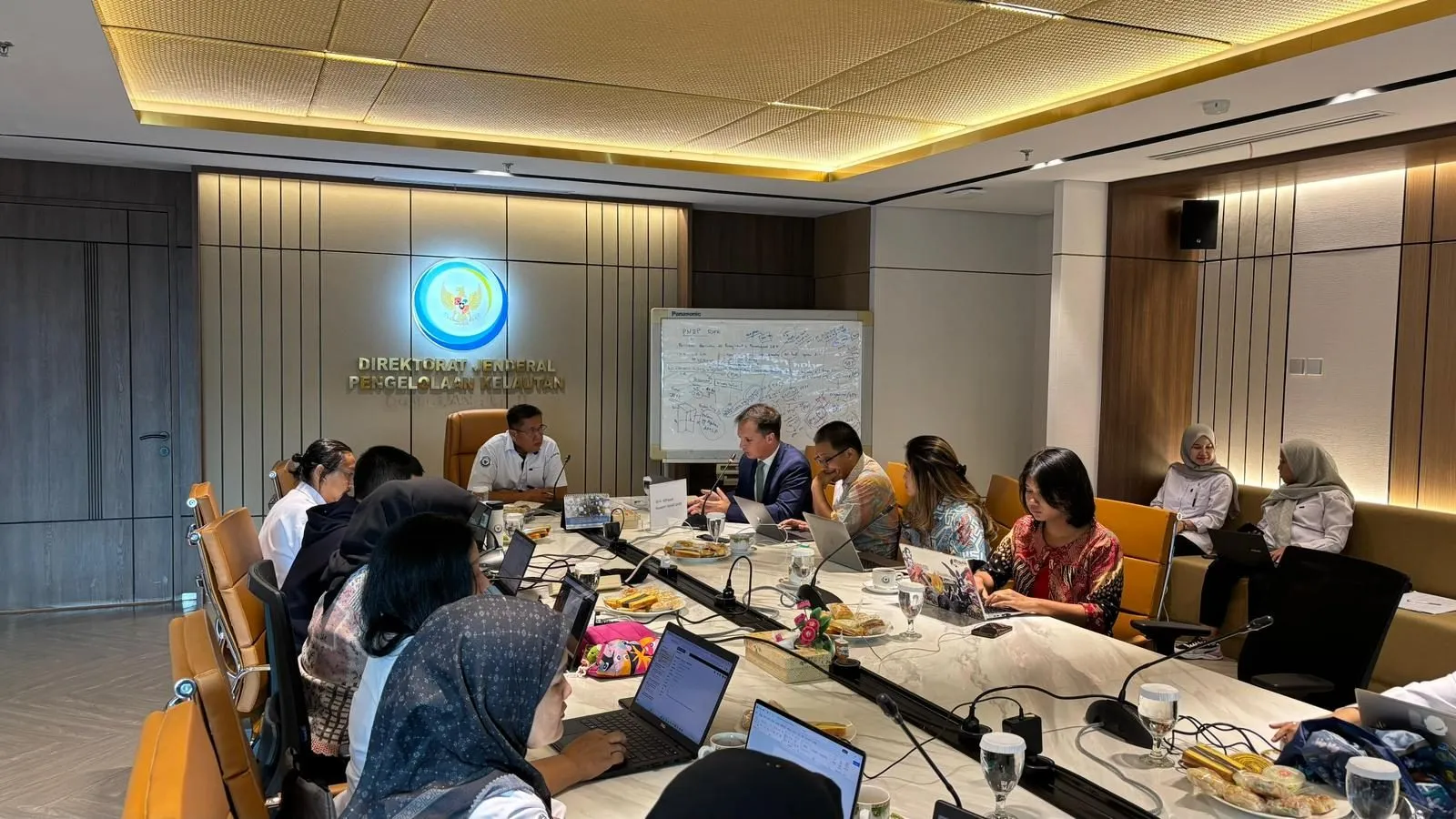 Ambon, IndonesiaWith LPMK and the Indonesian Ministry of Marine Affairs and Fisheries: a public initiative monitored quarterly at the national level.View project stages ›
 Kota Kinabalu, MalaysiaWith Marine Research Foundation and the Kota Kinabalu City Hall: collection in the bay since 04/2025, quarterly data reports, and local recycling streams.Follow the expedition ›
Further information
Frequently Asked Questions & Sources
Is exporting plastic waste prohibited?
Not across the board. The Basel Convention regulates these shipments through control procedures. The European Union goes further with a ban on exports to non-OECD countries taking effect on 21.11.2026.
What about Switzerland?
Switzerland applies the Basel Convention and its own Ordinance on Movements of Waste. Exports of controlled waste require authorisation from the FOEN.
Sources
- Basel Convention: Plastic waste amendments, in force since 01.01.2021 ↗
- European Commission: Shipments of plastic waste and ban taking effect on 21.11.2026 ↗
- Federal Office for the Environment: Transboundary movements of waste (Switzerland and Liechtenstein) ↗
- The SeaCleaners Swiss: Kota Kinabalu expedition, Malaysia
- The SeaCleaners Swiss: Ambon expedition, Indonesia
Last updated: 29.10.2026. This briefing is reviewed monthly and after each official announcement.


