
Research
Understanding pollution to better stop it
Every cleanup operation by our Mobulas produces data on waste quantities, composition, and locations. Together with our scientific partners, we analyse this information to better understand plastic pollution, identify its sources, and guide on-the-ground solutions.
Our methodology
From collection to data
A standardised protocol across all our expeditions to compare bays, seasons, and years.
Collect
Mobulas intercept floating waste in bays, estuaries, and mangroves.
Characterise
Each haul is weighed and then sorted by category and material according to a scientific protocol.
Map
Areas, tides, and seasons: our partners' satellites and drones pinpoint where plastic accumulates.
Share
The findings are published and delivered to local authorities to guide waste management policies.
Innovation
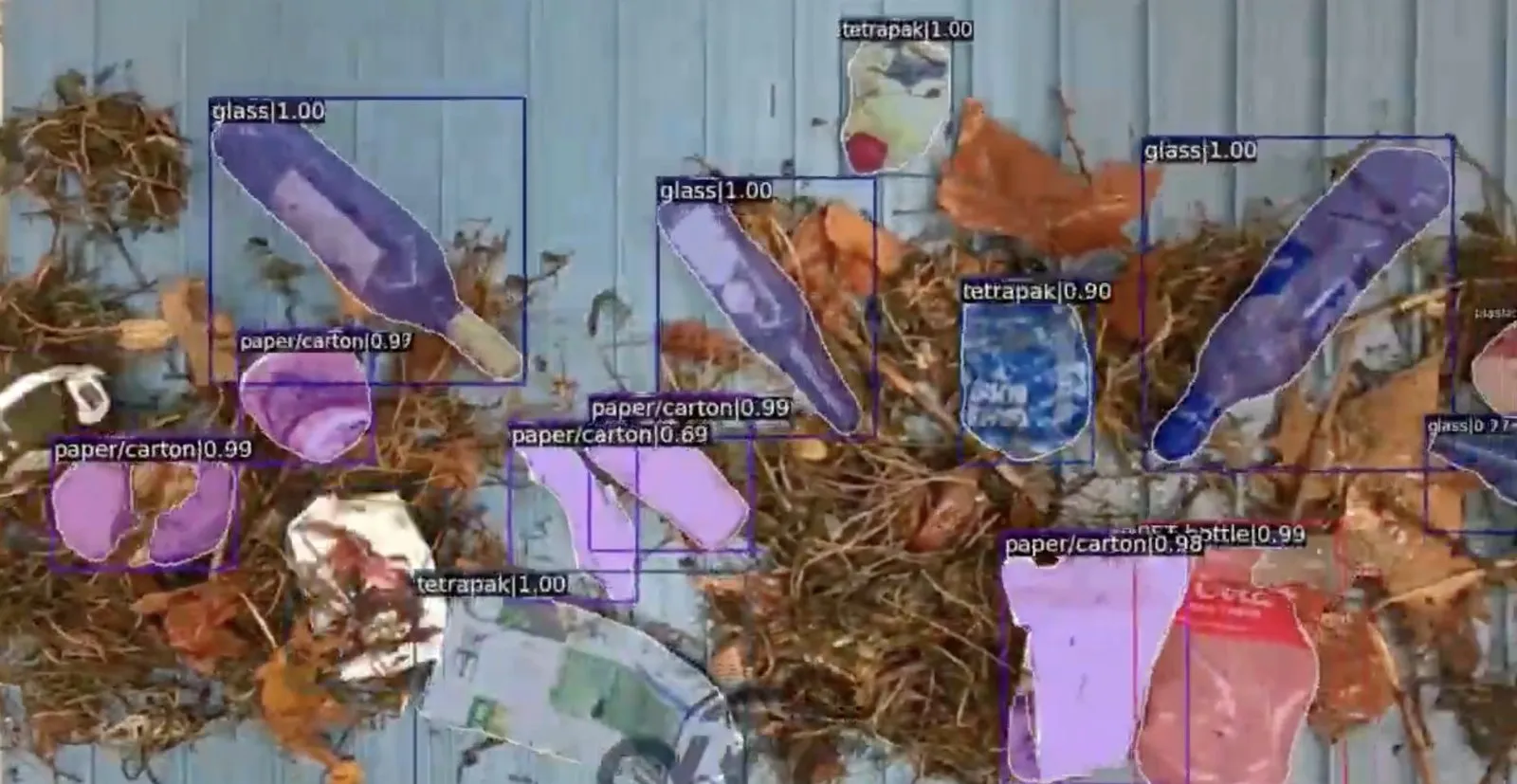
ARCAM: artificial intelligence that counts every piece of waste
Developed by the Autonomous River Cleanup team at ETH Zurich, this onboard camera on Mobula 10 identifies every piece of waste and its material in real time. A first for our expeditions, and a wealth of data for science.
Our programmes
Three bays, three studies
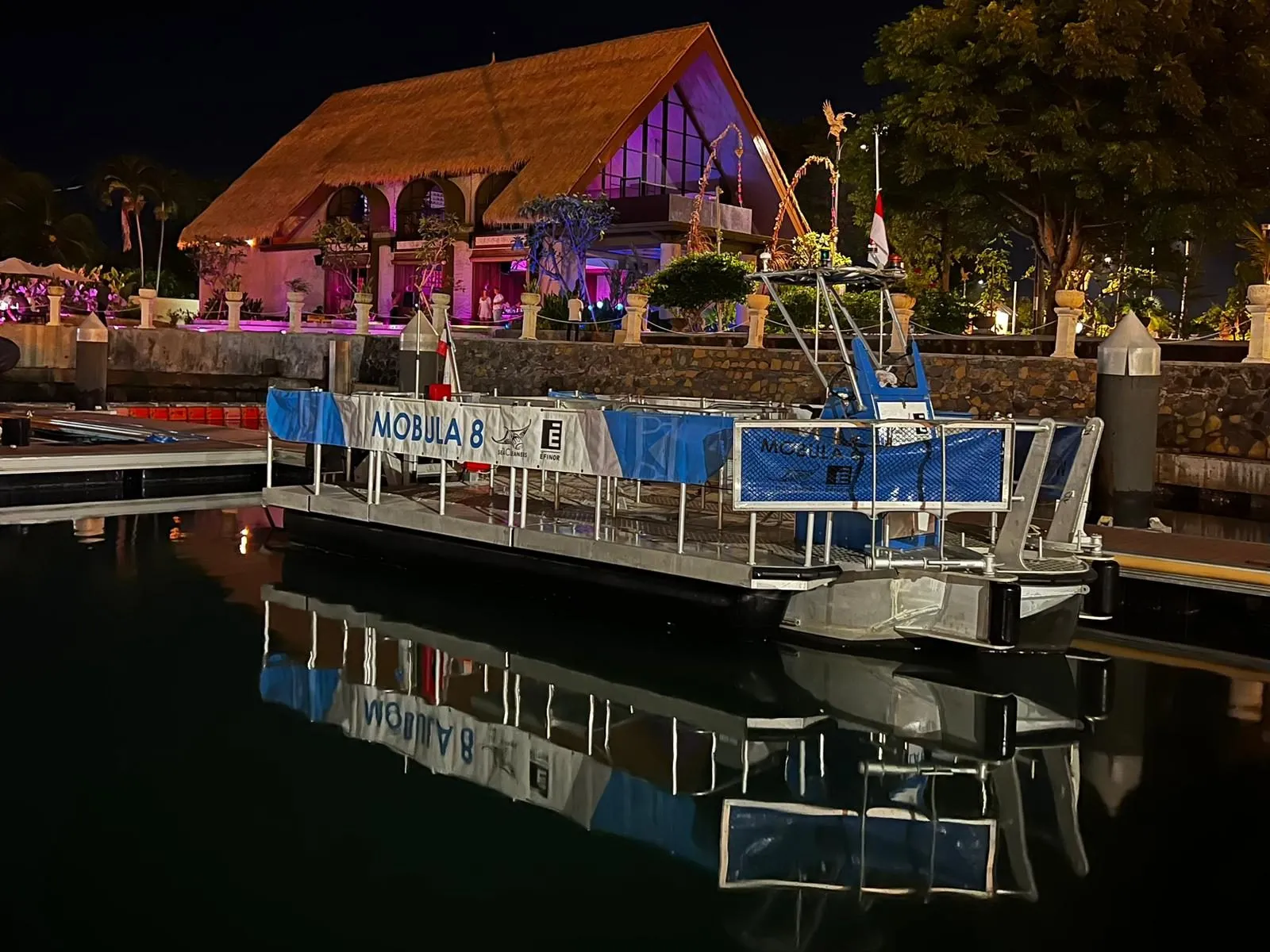
Characterising floating plastic in Benoa Bay
From 06/2023 to 03/2024, researchers analysed the waste collected by our first Mobula to understand its origin and seasonality.
Partner: CReSOS Center, Udayana University
Read the report ›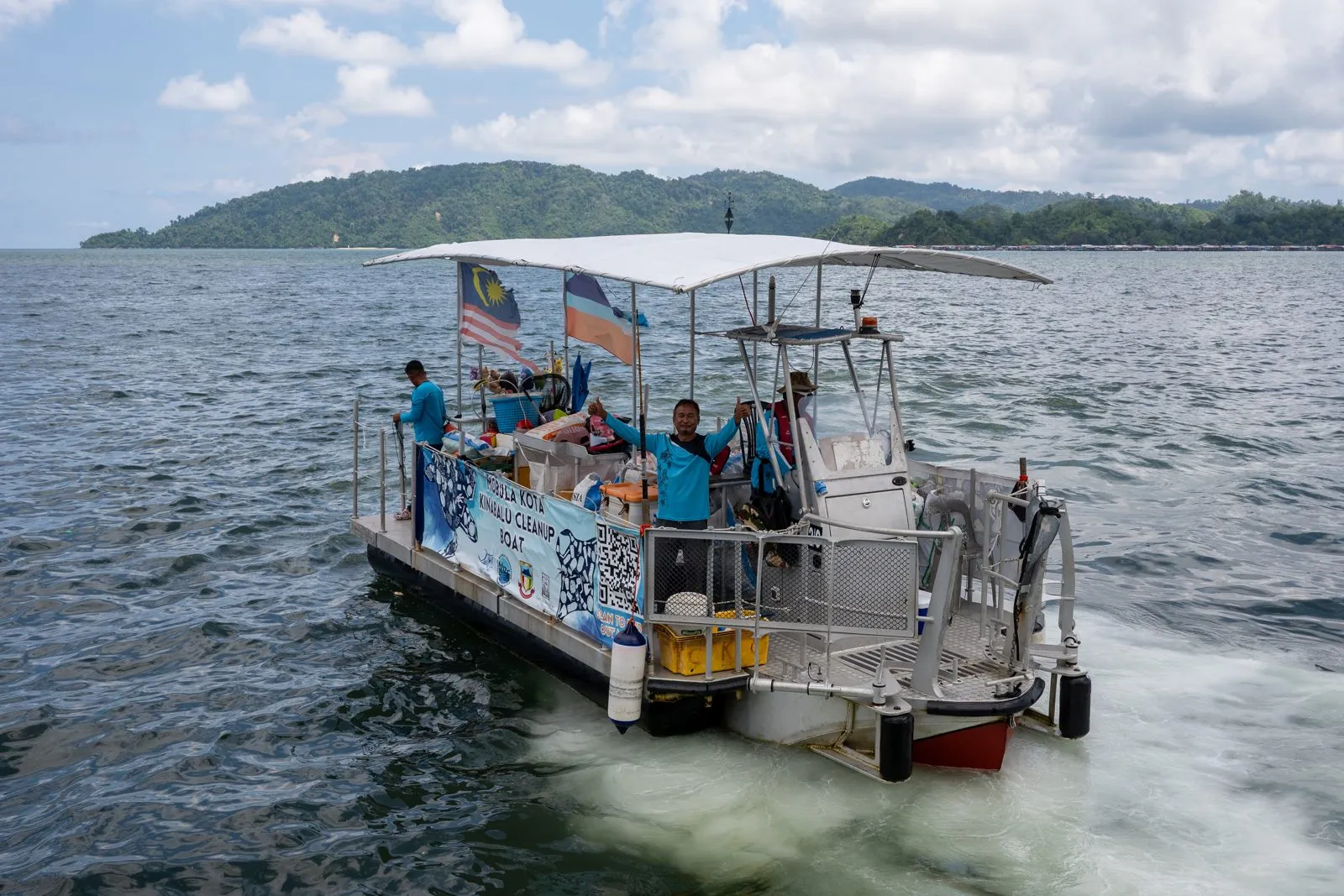
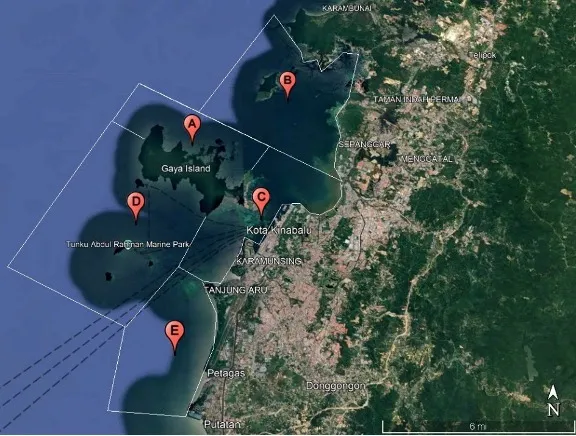
Tracking marine debris around Gaya Island
Accumulation zones, seasons, types of waste: each day of collection by Mobula 8.2 enriches a unique database in Sabah.
Partner: Marine Research Foundation
View expedition ›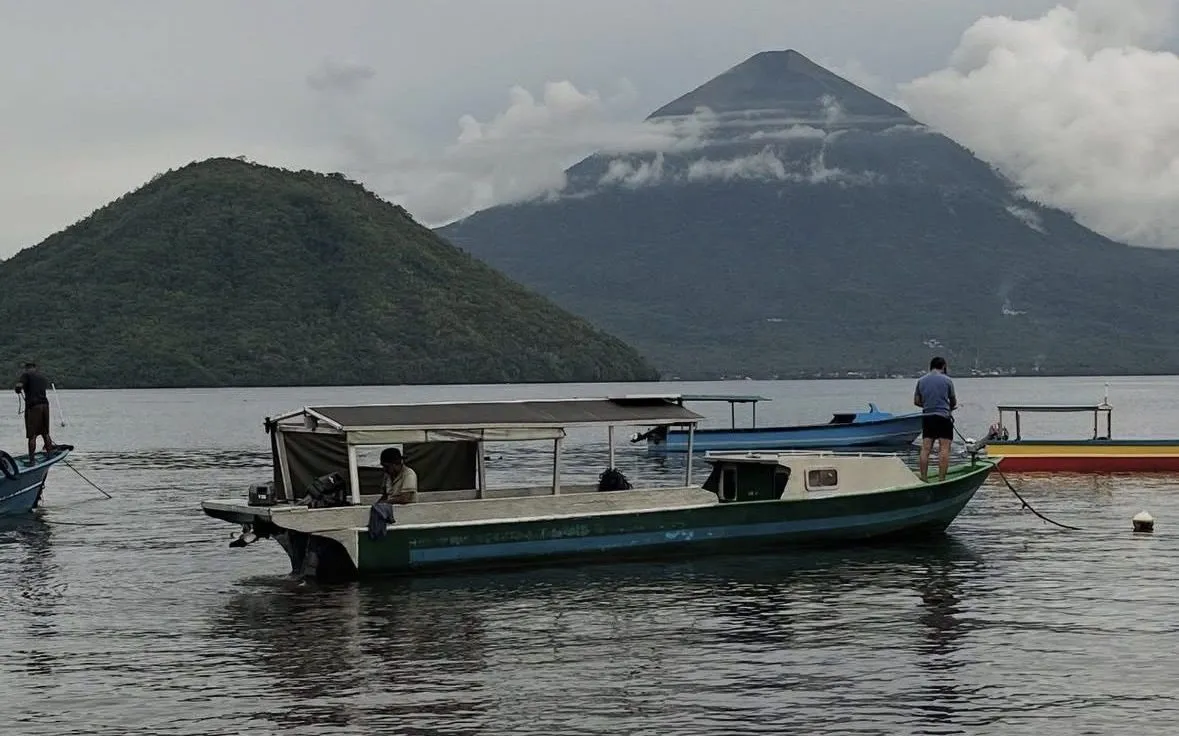
Measuring the impact of collection on mangroves
A 3-year study will compare the condition of the bay’s mangroves, seagrass beds, and reefs before and after the arrival of Mobula 10.
Partner: BRIN, Indonesian National Research Agency
View expedition ›What we are learning
Initial field insights
77,2%
of the weight of waste collected in Kota Kinabalu is plastic, led by food packaging.
Kota Kinabalu, Marine Research Foundation data
3 out of 4
pieces of waste accumulate in the sheltered bays of Gaya Island, where water circulation is weak.
Kota Kinabalu, first year of collection
May to September
the southwest monsoon concentrates more floating waste than the heavy rain season.
Kota Kinabalu, seasonal monitoring
Mangrove roots
trap plastic, hindering the growth of young plants.
Ambon, BRIN research since 2008
Publications
Our scientific reports
Misconceptions
Plastic: Separating Fact from Fiction
12 common misconceptions scrutinised through scientific studies and our field data. Test your knowledge, then share the facts with those around you.
The 7th continent: a plastic island you could walk on?
Read the answer ›02 · RiversAre 10 rivers responsible for almost all plastic in the sea?
Read the answer ›03 · OriginsIs plastic in the sea mainly from fishing?
Read the answer ›04 · RecyclingIf I sort my plastic, is the problem solved?
Read the answer ›05 · SwitzerlandSwitzerland has no sea: why talk about plastic pollution here?
Read the answer ›06 · MicroplasticsDo microplastics only come from breaking bottles?
Read the answer ›07 · LabelsBiodegradable: can plastic safely disappear into the sea?
Read the answer ›08 · Science & HealthDo we really swallow a credit card's worth of plastic every week?
Read the answer ›09 · LifespanA bottle takes 450 years to disappear: who started the clock?
Read the answer ›10 · Shared ResponsibilityDoes our plastic waste travel from Europe to Asia?
Read the answer ›11 · ClimateDoes plastic pollute more than air travel?
Read the answer ›12 · SolutionsReduce or clean up: is it really a choice?
Read the answer ›Scientific and technical partners
Advancing science alongside us






Science needs the field; the field needs you
Every funded expedition produces public data, useful far beyond our bays.


