Advocacy Brief
Prevent, Collect, Recycle: Who Finances the Solution?
To sustainably reduce plastic waste, collection must be part of a broader chain: better product design, avoiding unnecessary use, organising reuse, and then financing the sorting and treatment of remaining waste.
01 · Understand
What is the issue?
When waste management costs are not taken into account during production and consumption, they fall on local authorities and communities, often those least equipped to handle them.
Extended Producer Responsibility (EPR) mechanisms seek to make producers responsible, either financially or organizationally, for their products at the end of their life cycle.
- Designmore sustainable products
- Reduceunnecessary usage
- Reusewhatever possible
- Collect and sortremaining waste
- Recycleand recover locally
02 · Follow
Where do we stand?
These mechanisms exist in very different forms depending on the country and the product. They can help finance collection and recycling, but their effectiveness depends on their design, oversight, territorial coverage, and the reality of recycled material markets.
They are not a substitute for prevention or sound public waste management.
A concrete example: PET in Switzerland
In Switzerland, PET beverage bottles clearly illustrate this principle: those who put them on the market finance their collection and recycling through an industry organisation.
03 · Our Position
What we advocate for
The SeaCleaners Swiss Position
Solutions must mobilise the entire value chain. We encourage the reduction of avoidable waste, the design of more sustainable products, transparent financing mechanisms, and shared responsibility between producers, authorities, and local stakeholders.
Our Principles
- Prevention first: the best waste is the one that is never created.
- Transparent financing, where usage can be tracked.
- Shared responsibility between producers, authorities, and the field.
04 · On the Ground
Our concrete contribution
Together with our local partners, we sort collected waste, document quantities, and seek recovery outlets. In Kota Kinabalu, the plastic recycled each quarter increased from 37 kg in spring 2025 to over 300 kg in early 2026, and non-recyclable plastics are turned into ecobricks with the residents of Gaya Island.
These findings demonstrate both the potential and the economic limits of a local industry. Our data can inform discussions with companies and local authorities on the conditions for a sustainable model.
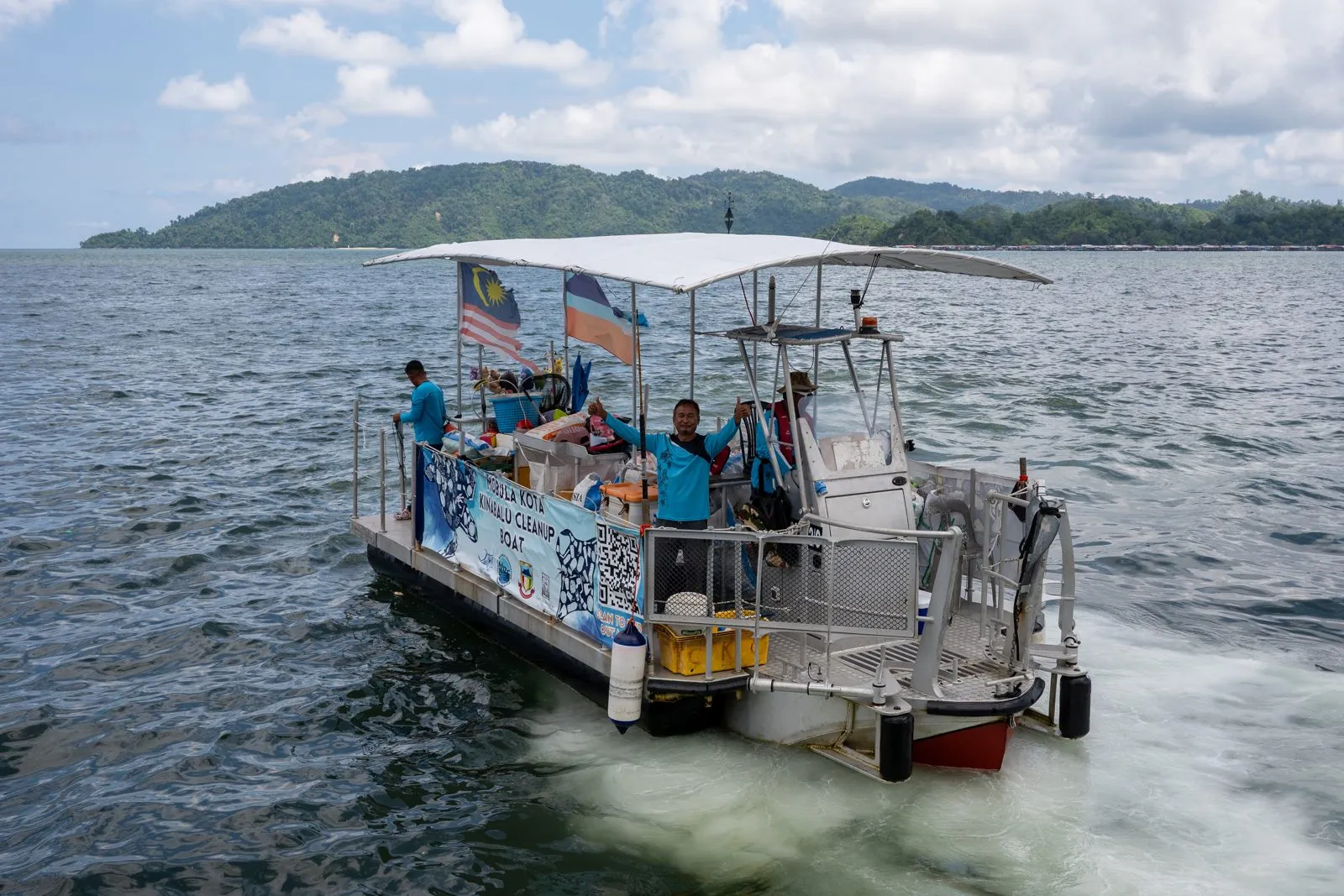 Kota Kinabalu, MalaysiaWith Marine Research Foundation and the City of Kota Kinabalu: collection in the bay since 04/2025, data published quarterly, and local recycling channels.Follow the expedition ›
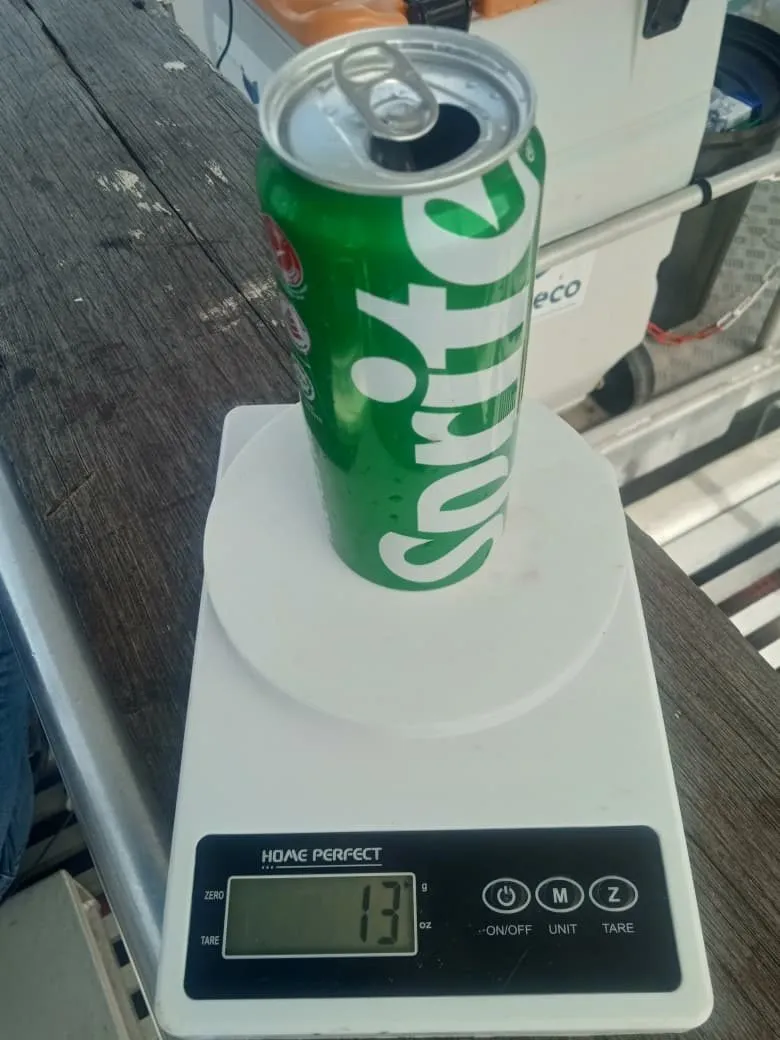 ResearchEach collection is weighed, sorted, and documented with our scientific partners to produce data useful for decision-making.Discover the research ›
Going further
FAQ and sources
Do partner companies offset their plastic?
No. Philanthropy supports our expeditions, but it does not constitute offsetting or compliance with a legal obligation. We state this clearly to our partners.
Sources
- Organisation for Economic Co-operation and Development: Extended Producer Responsibility ↗
- The SeaCleaners Swiss: Kota Kinabalu Expedition, Malaysia
Last updated: 29.10.2026. This brief is verified monthly and after every official announcement.


