Advocacy Brief
High Seas: From Agreement to Implementation
Adopted on 19.06.2023 and entered into force on 17.01.2026, the agreement on marine biodiversity in the high seas (known as BBNJ) strengthens cooperation to protect and sustainably use marine life beyond national borders.
Its 1st Conference of the Parties will be held in New York from 01.11 to 22.01.2027.
01 · Understanding the Issue
What is at stake?
Beyond waters under state jurisdiction, the high seas cover nearly 2/3 of the ocean.
Its biodiversity needs common tools to be better understood and protected.
The BBNJ agreement (the acronym for "Biodiversity Beyond National Jurisdiction") provides rules and mechanisms based on 4 pillars.
Marine genetic resources
Fairly sharing the benefits derived from high seas marine organisms.
Marine protected areas
Creating area-based management tools, including protected areas in the high seas.
Impact assessments
Evaluating the environmental effects of activities planned in the high seas.
Capacity and technology
Helping countries in need to participate through training and technology transfer.
The 4 pillars of the agreement, presented for the general public. Source: United Nations.
02 · Tracking progress
Where do things stand?
The agreement was adopted on 19.06.2023, and then entered into force on 17.01.2026.
Its 1st Conference of the Parties (COP1) will be held from 01.11 to 22.01.2027 at the United Nations headquarters in New York. It will be responsible for launching the operation of the agreement's institutions and reviewing the proposals prepared by the preparatory commission.
- 19.06.2023Adoption of the agreementCompleted
- 17.01.2026Entry into forceCompleted
- 01.11 to 22.01.20271st Conference of the Parties, New YorkAnnounced
COP1, decisions to follow
From 01.11 to 22.01.2027, in New York, the State Parties must make the agreement operational.
The rules of the game
The conference's rules of procedure and the agreement's financial rules.
The institutions
The secretariat, whose headquarters is yet to be chosen, the scientific and technical body, and the committees responsible for sharing genetic resources, capacity building, and compliance with the agreement.
Funding
The budget and mechanisms that will help developing countries implement the agreement.
The tools
The information-sharing mechanism between states to share data and knowledge.
We will update this brief after the conference: adopted decisions, open questions, and next steps.
Plastic Treaty
Future agreement on plastic pollution, including at sea, covering the entire life cycle of plastics.
Understand the plastic treaty ›High Seas Treaty
Agreement on the conservation and sustainable use of marine biodiversity beyond national jurisdiction.
2 texts that complement each other, but are not to be confused.
03 · Our Position
What we advocate for
Position of The SeaCleaners Swiss
Protecting marine biodiversity requires science-based decisions, transparent monitoring, and the means to implement them.
We support international cooperation that brings together countries with different capacities and strengthens the sharing of data, technology, and expertise.
Our principles
- Science-based decisions monitored over time.
- Equitable access to data and technology.
- Real resources for the countries that need them most.
04 · In the Field
Our tangible contribution
Our action takes place mainly in rivers, bays, and along coasts: our Mobulas are therefore not direct tools of the High Seas Treaty, and we do not present them as such.
Our collections, waste analysis, and scientific collaborations serve a complementary goal: reducing the pressures on marine ecosystems before they reach the open sea, and helping the public understand why the ocean must be protected.
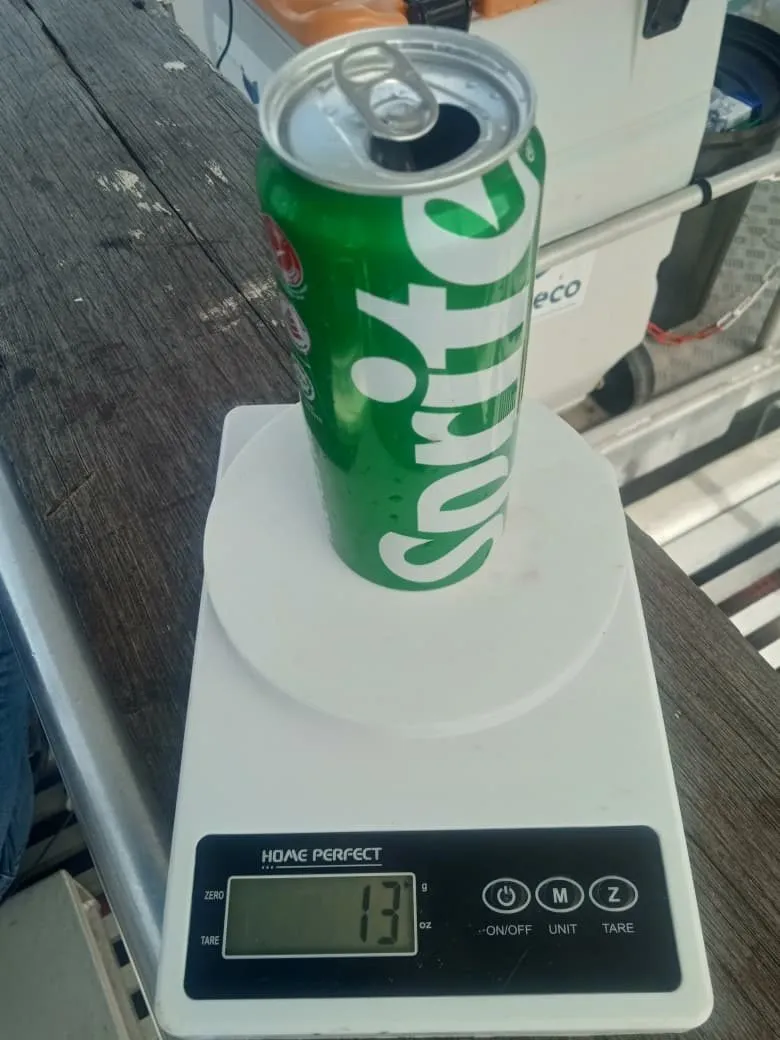 ResearchEach collection is weighed, sorted, and documented with our scientific partners to produce data useful for decision-making.Discover our research ›
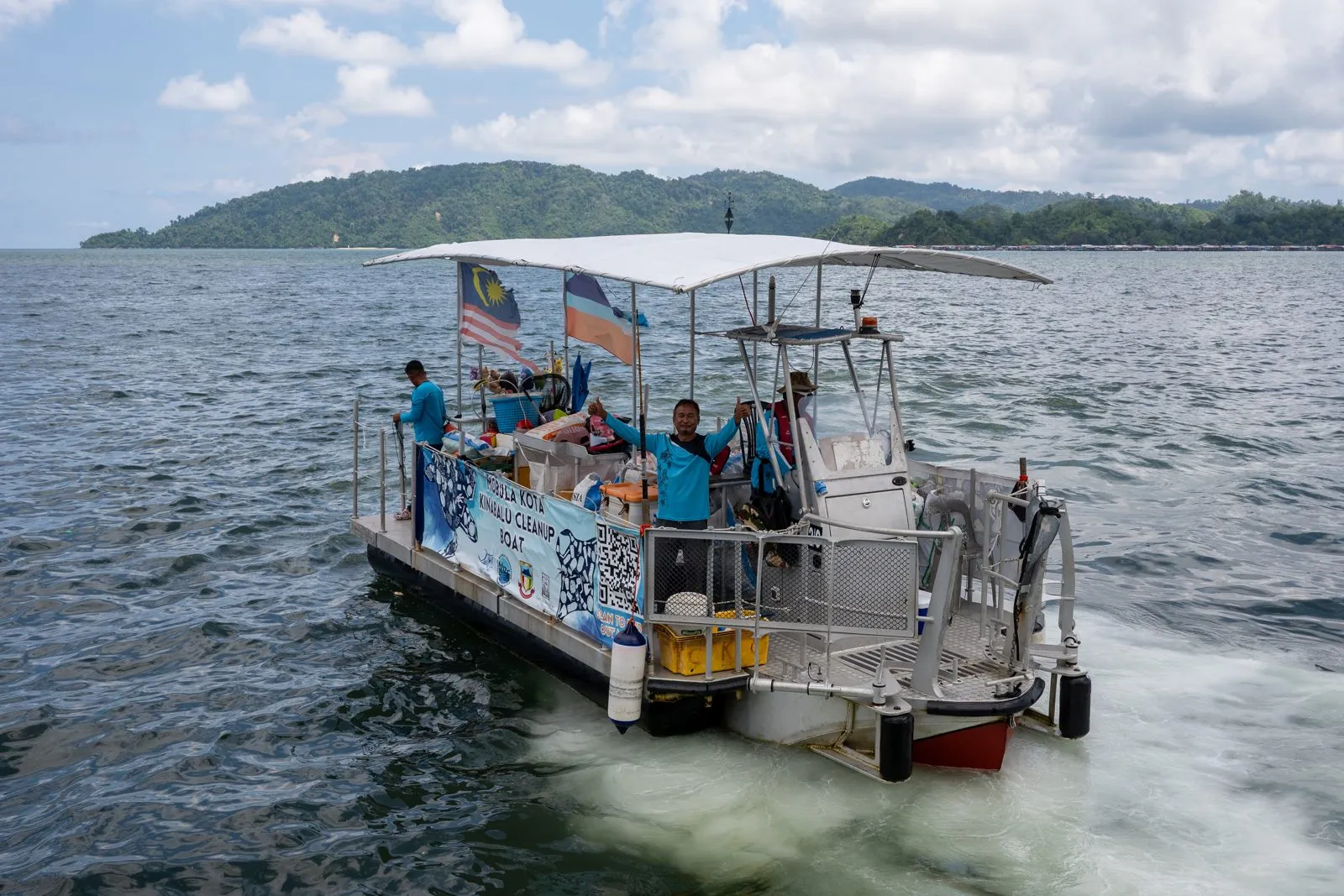 Kota Kinabalu, MalaysiaIn partnership with Marine Research Foundation and Kota Kinabalu City Hall: bay cleanup operations active since April 2025, quarterly published data, and local recycling networks.Follow the expedition ›
Learn More
Frequently Asked Questions and Sources
What does "BBNJ" mean?
It is the acronym for "Biodiversity Beyond National Jurisdiction," referring to the biodiversity of areas located beyond national jurisdictions.
What is the link with plastic pollution?
Plastic is one of the pressures weighing on marine life, but the High Seas Treaty is not a plastic treaty. It is the future plastic treaty that must address this pollution throughout its entire life cycle.
Sources
- United Nations: The Agreement on Marine Biodiversity of Areas Beyond National Jurisdiction ↗
- United Nations: 1st Conference of the Parties, 01.11 to 22.01.2027, New York ↗
Last updated: 03.11.2026. This brief is verified every month and after each official announcement.


