Advocacy Brief
A Global Treaty to Combat Plastic Pollution
Plastic waste crosses borders, yet the regulations governing it remain fragmented. Since 2022, nations have been negotiating a legally binding international agreement that covers the full life cycle of plastics. Talks are ongoing: no treaty has been adopted yet.
01 · Understanding the Issue
What is at stake?
Plastic pollution begins long before waste reaches a river or the ocean.
Product design, manufacturing, usage, and end-of-life determine how much plastic risks escaping waste management systems.
A global agreement can establish a shared framework to prevent discharges, enhance waste management, and support countries lacking adequate resources.
The challenge is therefore not merely cleaning up coastlines: it requires establishing obligations, financing, and international cooperation, while taking national capacities into account.
This is precisely what Resolution 5/14, adopted in Nairobi on 02.03.2022, calls for: an approach addressing the entire life cycle of plastics.
Production and Consumption
What priority should be given to reducing production and setting global targets?
Products and Chemicals
How should problematic products and chemicals of concern be addressed?
Financing and Capacity
How will prevention, collection, waste management, and implementation be funded?
Governance
What decision-making rules and oversight mechanisms will ensure enforcement?
The 4 major issues where nations have yet to reach consensus.
02 · Progress
Where do negotiations stand?
The process began in 2022. Following sessions in Punta del Este, Paris, Nairobi, Ottawa, and Busan, the Geneva session (INC-5.2, August 5–15, 2025) concluded without consensus. The procedural meeting on 07.02.2026 (INC-5.3), also held in Geneva, elected a new chair, Chilean Ambassador Julio Cordano, without substantive negotiations.
A new session (INC-5.4) is scheduled for March 13–24, 2027, at a venue to be confirmed. This briefing will be updated following each official decision.
Select a stage to learn more.
Resolution 5/14, Nairobi Completed
02.03.2022
The UN Environment Assembly mandates the negotiation of a legally binding instrument on plastic pollution, including in the marine environment.
INC-1, Punta del Este Completed
11/28 to 02.12.2022
1st session: nations establish the framework for the negotiation process.
INC-2, Paris Completed
05/29 to 02.06.2023
Mandate granted to prepare an initial draft text, known as the “Zero Draft.”
INC-3, Nairobi Completed
11/13 to 19.11.2023
Nations review the draft text and incorporate their proposals.
INC-4, Ottawa Completed
04/23 to 29.04.2024
Text development and establishment of intersessional technical groups, particularly on financing.
INC-5.1, Busan Completed
11/25 to 01.12.2024
No treaty concluded. The Chair’s text serves as the foundation moving forward.
INC-5.2, Geneva Completed
08/05 to 15.08.2025
Talks conclude without consensus. The session is adjourned on 15.08.2025.
INC-5.3, Geneva Completed
07.02.2026
Procedural meeting: election of the new Chair, without substantive negotiations.
INC-5.4, Venue TBD Announced
03/13 to 24.03.2027
Next session announced. This brief will be updated as soon as the official schedule is published.
CompletedAnnounced, to be confirmed
Why are negotiations deadlocked?
Over 100 countries support an ambitious treaty, but decisions require consensus: a minority can therefore block progress. Disagreements centre on the four core areas outlined above, starting with production: should global plastic production volumes be capped, or should efforts focus strictly on waste management? Nations also disagree on procedural rules: whether to allow voting as a last resort or require unanimity on every clause.
The High Ambition Coalition
Advocates for a treaty spanning the entire life cycle of plastics, from raw production to waste management, with legally binding rules common to all nations.
Oil and Gas Producing Nations
Plastic production relies directly on their fossil resources. They seek to restrict the treaty to waste management while allowing each country to determine its own domestic policies.
Two conflicting visions of the treaty have clashed since negotiations began.
03 · Our Position
What we advocate for
The SeaCleaners Swiss Position
We advocate for an ambitious, science-based agreement addressing plastics from production to end of life. It must unite discharge reduction, improved product design, effective waste management, and financial and technical cooperation among nations.
Adopted measures must be applicable in the most exposed regions, supported by viable collection and recovery systems, trained local teams, and traceable results. Preventing pollution at the source and recovering existing waste are complementary actions, not competing priorities.
Our Principles
- Targeting the entire life cycle of plastics, not just post-consumer waste.
- Financing practical and verifiable solutions, prioritising areas lacking infrastructure.
- Combining prevention, waste cleanup, and capacity transfer to local partners.
04 · In the Field
Our tangible contribution
As an organisation based in the Canton of Geneva, we closely track international negotiations and share key insights from our expeditions. During the August 2025 session, we championed a clear message: address the entire life cycle without setting prevention against cleanup.
In Malaysia and Indonesia, our programmes conducted alongside authorities and local partners demonstrate what effective solutions demand: training, recurring operating costs, recycling access, reliable data, and a roadmap towards autonomy. We do not negotiate on behalf of states: our mission is to inform policy through real-world experience.
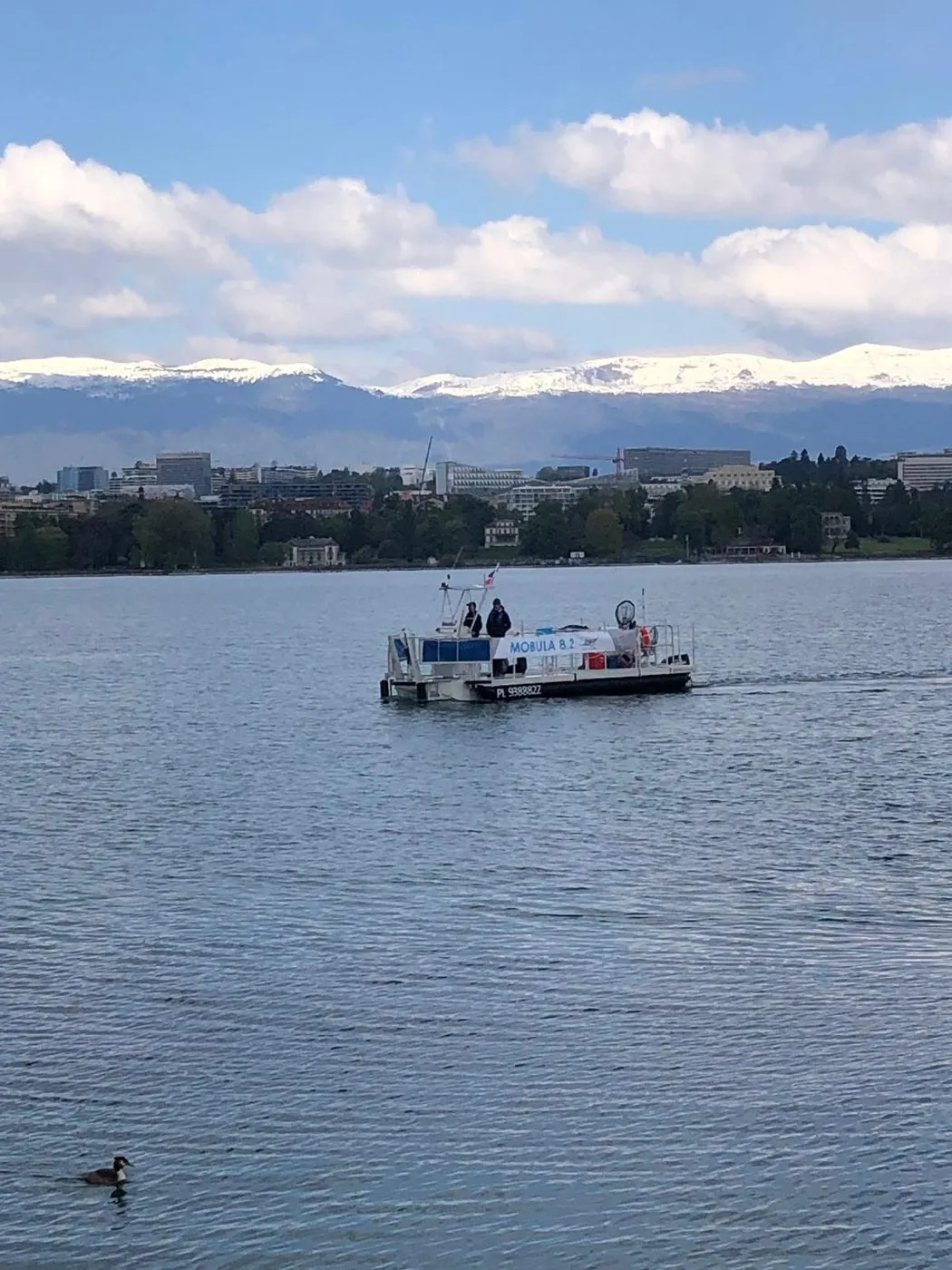 Geneva, SwitzerlandDuring the August 2025 session, we shared operational insights: addressing the full life cycle without creating false choices between prevention and cleanup.Read the article ›
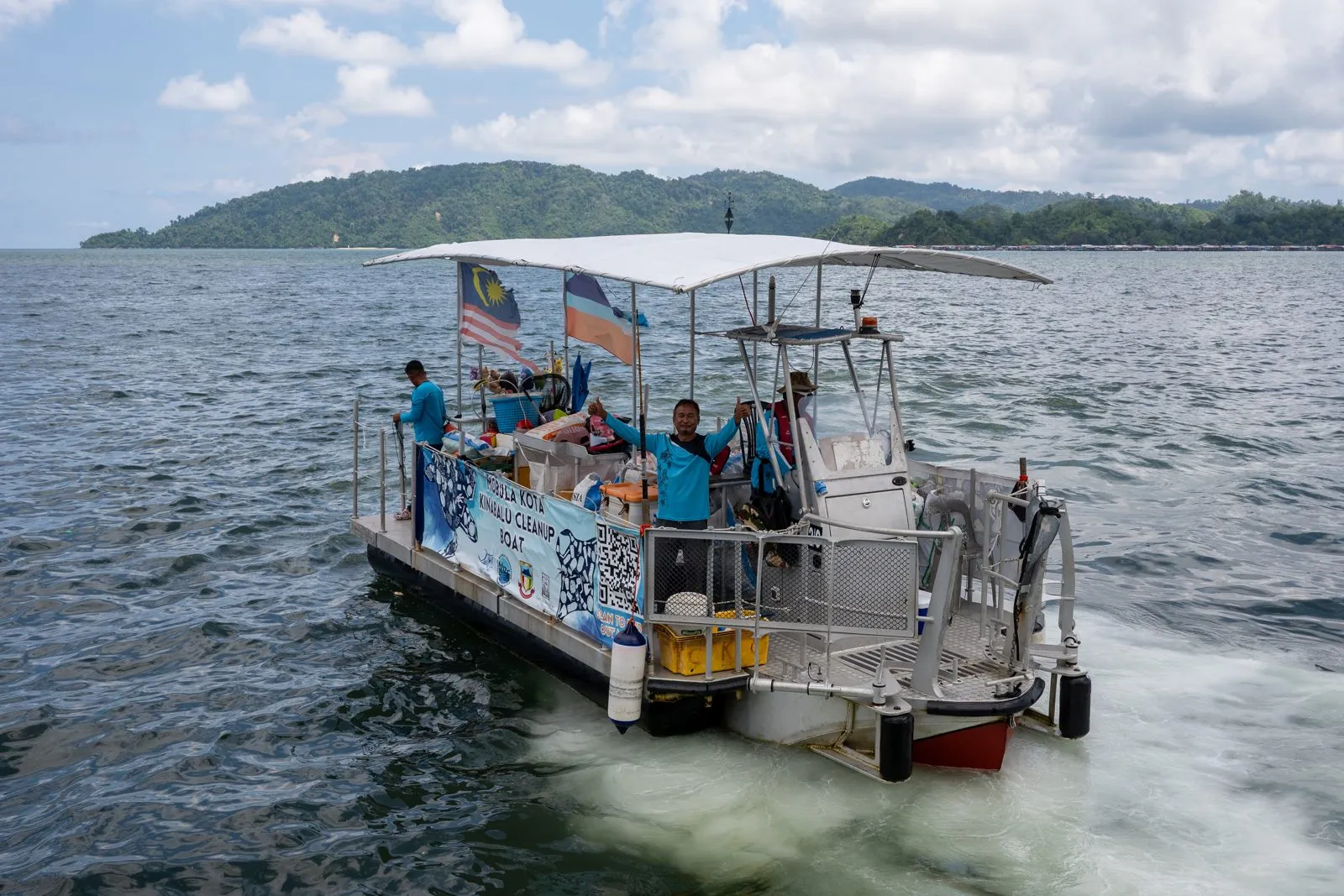 Kota Kinabalu, MalaysiaIn partnership with Marine Research Foundation and Kota Kinabalu City Hall: bay cleanup operations active since April 2025, quarterly published data, and local recycling networks.Follow the expedition ›
Learn More
Frequently Asked Questions and Sources
Why is there still no treaty?
Nations remain divided on several critical points: production reduction, regulating specific products and substances, financing, and voting rules. Negotiations continue under a new Chair.
Will the treaty apply to Switzerland?
Yes, if it is adopted and subsequently ratified by Switzerland. Switzerland is actively participating in negotiations, two sessions of which took place in Geneva.
What does “INC” stand for?
It stands for the Intergovernmental Negotiating Committee, the UN body convened to draft the treaty. Each negotiating session is numbered sequentially (INC-1, INC-2, etc.).
Sources
- United Nations Environment Programme: Intergovernmental Negotiating Committee sessions ↗
- United Nations Environment Programme: Geneva session concludes without consensus, 15.08.2025 ↗
- United Nations Environment Programme: Election of the new Chair of negotiations, 07.02.2026 ↗
- Geneva Environment Network: INC-5.4 session timeline (March 13–24, 2027, venue to be announced) ↗
- The SeaCleaners Swiss: “In Geneva, bringing grassroots perspectives to plastics negotiations,” 08.08.2025
- The SeaCleaners Swiss: Kota Kinabalu expedition, Malaysia
Last updated: 03.11.2026. This brief is reviewed monthly and after each official announcement.


